Florida PIP insurance, explained
Reviewed by
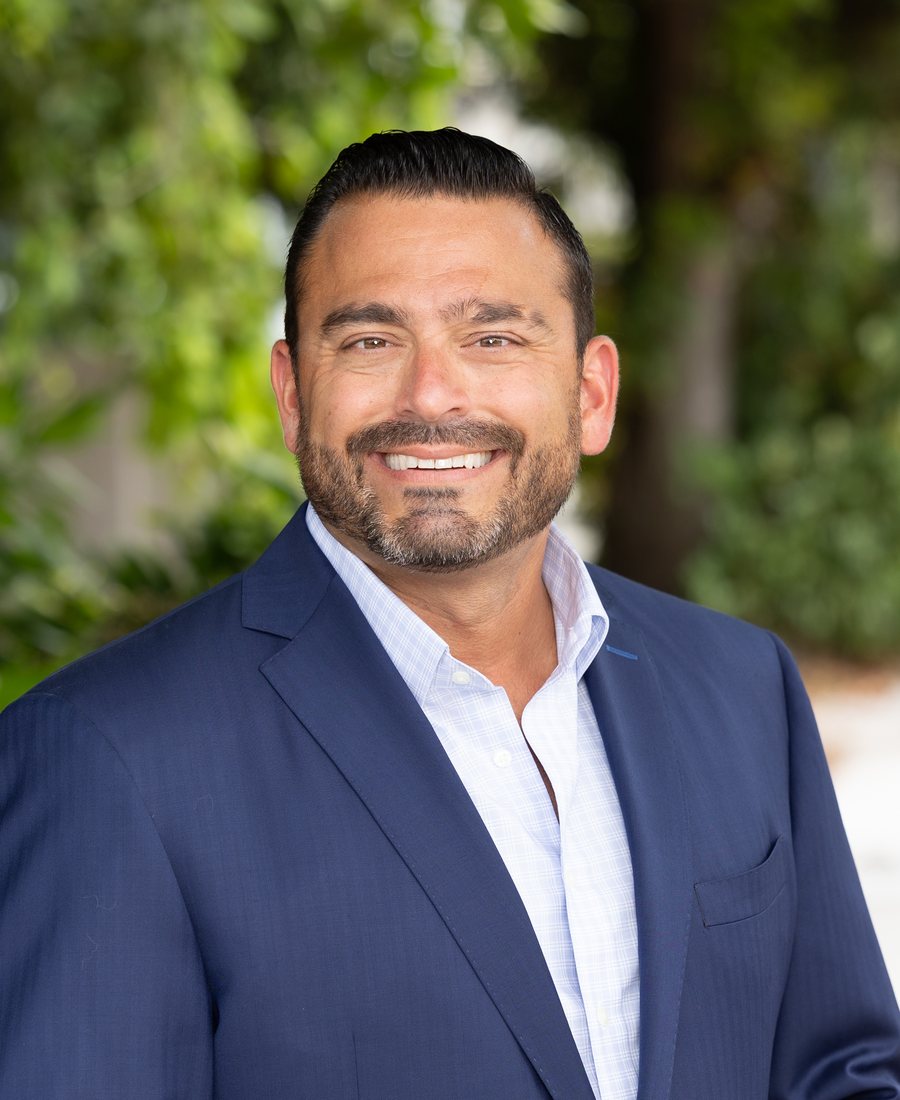
by: Paul R. Shalhoub
Every Florida driver carries personal injury protection, almost nobody knows what it covers, and the two rules that matter most are the ones people find out about too late.
Key takeaways
The short version, before the detail.
- PIP pays 80 percent of reasonable medical expenses and 60 percent of lost wages, capped at $10,000 in total.
- You must receive initial care within 14 days of the crash or PIP pays nothing.
- The full $10,000 is only available with an emergency medical condition finding. Without it the cap drops to $2,500.
- PIP pays regardless of fault, which is why it is called no-fault; it is not a cap on what you can recover from the driver who caused the crash.
- To pursue the at-fault driver for pain and suffering you must meet Florida's injury threshold under Statute 627.737.
What PIP actually pays
Florida Statute 627.736 requires every registered vehicle to carry $10,000 in personal injury protection. It pays your medical bills and part of your lost income no matter who caused the crash, which is the trade-off the no-fault system makes.
- 80 percent of reasonable and necessary medical expenses
- 60 percent of lost gross income and loss of earning capacity
- $5,000 death benefit
- Mileage to and from treatment in many policies
Note what that means in practice: PIP never covers your bills in full. The remaining 20 percent sits with you, your health insurer or the at-fault driver's carrier.

The two deadlines inside the statute
Fourteen days. Initial services and care must be received within fourteen days of the crash. This is not a guideline. Outside the window, the benefit is simply unavailable.
The emergency medical condition finding. A physician, osteopath, dentist or supervised physician assistant or nurse practitioner must determine that you have an emergency medical condition for the full $10,000 to be available. A chiropractor cannot make that determination. Without the finding, the benefit is $2,500.
Getting past PIP to the at-fault driver
PIP is a floor, not a ceiling. To recover pain and suffering from the driver who caused the crash, Florida Statute 627.737 requires that the injury involve significant and permanent loss of an important bodily function, permanent injury within a reasonable degree of medical probability, significant and permanent scarring or disfigurement, or death.
Whether your injury meets that threshold is a medical question answered by your records, which is another reason the first fourteen days matter so much.
Who you see in those 14 days decides whether PIP pays at all
The deadline is well known. The list of who counts is not, and getting it wrong voids the benefit as surely as missing the date.
Section 627.736(1)(a)1 requires that the initial services and care be lawfully provided, supervised, ordered or prescribed by a physician licensed under chapter 458 or 459, a dentist under chapter 466, a chiropractic physician under chapter 460, or an advanced practice registered nurse — or be furnished in a hospital, or by emergency transport under part III of chapter 401.
Then comes the line that catches people. Section 627.736(1)(a)5 provides that medical benefits do not include massage therapy or acupuncture, and says so “regardless of the person, entity, or licensee providing massage therapy or acupuncture”. A licensed massage therapist cannot be reimbursed under this section at all.
So someone who feels stiff, books a massage inside the first week, feels better, and sees nobody else has not started the clock in a way the statute recognizes. The fourteen days can run out while they are being treated.
| Starts the 14-day clock | MD or DO, dentist, chiropractic physician, an advanced practice registered nurse, a hospital, or an ambulance crew at the scene |
| Does not | Massage therapy or acupuncture — excluded by statute no matter who delivers it |
The $2,500 trap is easier to spring than the $10,000 is to earn
The two determinations are not made by the same people, and that asymmetry is in the text.
Under s. 627.736(1)(a)3, the full $10,000 is available only if an emergency medical condition is found by a narrow group: a physician under chapter 458 or 459, a dentist under chapter 466, a physician assistant, or an advanced practice registered nurse.
But s. 627.736(1)(a)4 caps you at $2,500 if a provider listed in subparagraph 1 or subparagraph 2 determines that you did not have an emergency medical condition. That is a wider list than the one that can grant the full amount.
Read together: it takes fewer credentials to cap your benefit than to unlock it. And in practice the absence of a positive finding does the same work as a negative one, because without the finding on file the carrier pays as though the cap applies. If nobody ever wrote the words, nobody has to argue them.
$2,500 against a single emergency room visit and one round of imaging is often gone the same week.
Three deadlines running the other way, against the insurer
The statute is not all obligations on you.
| 30 days to pay | s. 627.736(4)(b): benefits are overdue if not paid within 30 days after the insurer is furnished written notice of a covered loss and the amount of it |
| 90 days where fraud is suspected | s. 627.736(4)(i): the insurer must deny or pay no later than 90 days after submission, with interest |
| Examination under oath | s. 627.736(6)(g) makes compliance with the policy, including submitting to an examination under oath, a condition precedent to receiving benefits |
That last one runs against you, and the medical examination provision is sharper still. Under s. 627.736(7)(b), if a person unreasonably refuses or fails to appear at an examination, the carrier is no longer liable for subsequent benefits — and failing to attend two examinations raises a rebuttable presumption that the refusal was unreasonable.
People miss these appointments for ordinary reasons: a letter to an old address, a shift they could not leave, a ride that fell through. The statute does not care why, only whether the refusal was reasonable, and after the second one the burden has quietly moved onto you. If one of these is scheduled and you cannot make it, the time to say so is before the date, in writing.
Do you need a lawyer for a PIP claim?
PIP is your own coverage, and much of the time it simply pays.
Where you probably do not. You were seen inside 14 days, the bills are well under $10,000, your own insurer is paying them, and you have recovered. PIP did what you bought it to do, and there is nothing for a lawyer to add.
Where you probably do. The 14-day window is close or has passed. Your insurer has called the treatment unnecessary or sent you to its own examiner. You have been told your injury is not an emergency medical condition, which caps you at $2,500 instead of $10,000. Your bills have already passed the limit, which is where the real claim begins. Or somebody has suggested you were at fault.
The consultation is free, so finding out which one you are in costs a phone call.
Frequently asked questions
Does PIP cover me if I was a passenger?
Usually yes. PIP generally follows the person, so your own policy may cover you as a passenger in someone else's car, as a pedestrian, or on a bicycle.
Will using PIP raise my premium?
Florida law restricts insurers from surcharging a policyholder for a crash in which they were not substantially at fault. PIP is coverage you have already paid for.
What if my bills exceed $10,000?
That is common with any real injury. The balance is pursued through health insurance, the at-fault driver's bodily injury coverage, and your own uninsured motorist coverage.
Do motorcycles have PIP?
No. Motorcycles are not covered by Florida's PIP requirement, which is one reason motorcycle crash claims proceed very differently.
Talk to Paul about your claim
Consultations are free and confidential. We advance case costs, and you owe no attorney’s fees or reimbursement of those costs unless we recover compensation for you. Paul handles every case personally.
Written by
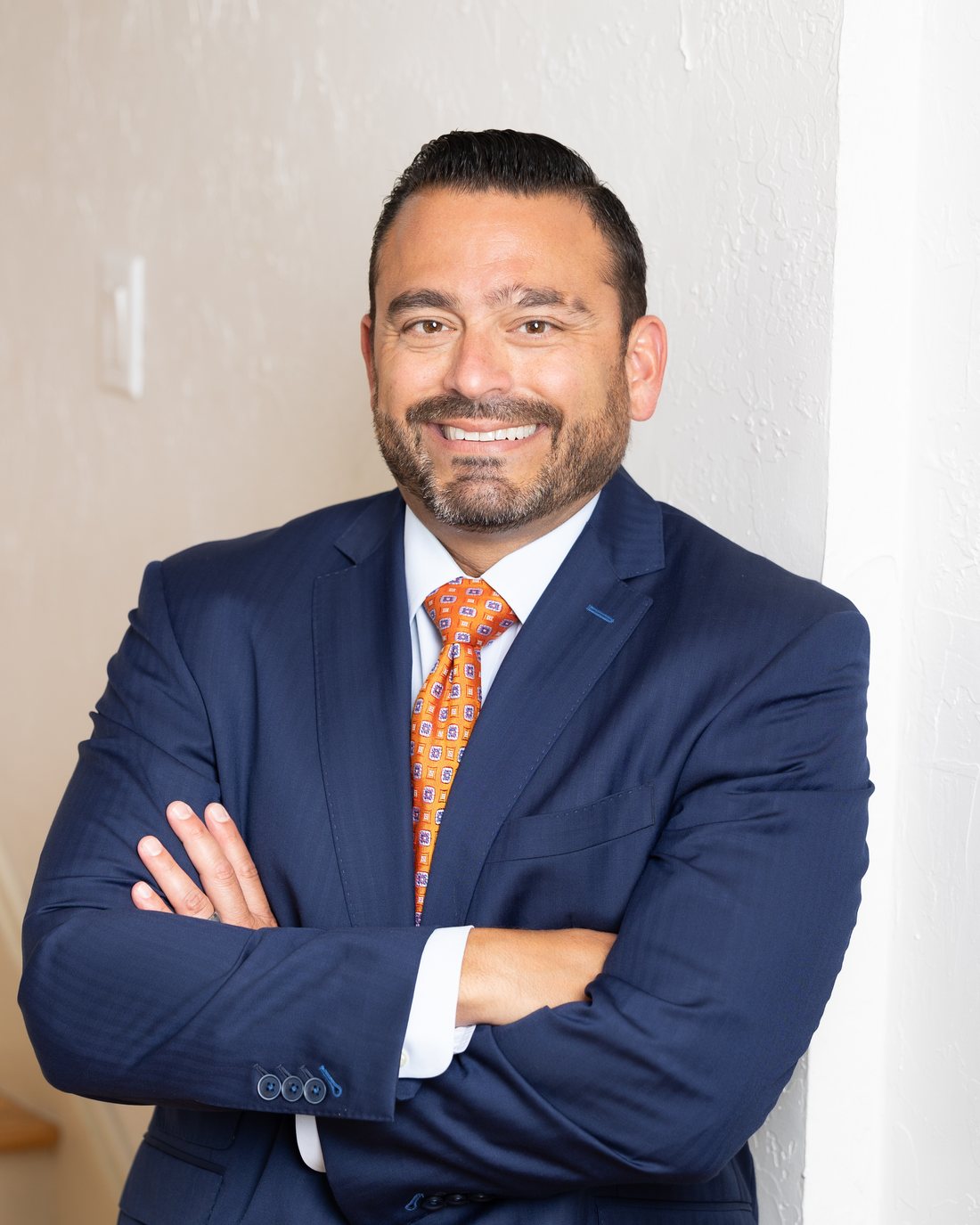
Paul R. Shalhoub
Personal injury attorney, West Palm Beach
Paul R. Shalhoub is the owner of Shalhoub Law Injury & Accident. He began his career defending insurance carriers and now represents the people those carriers underpay, handling every case personally from the first call through trial. He was mayor of Lake Clarke Shores in 2022 and 2023, after three terms on its town council, and sits on boards across Palm Beach County.
How we help with a PIP problem
The claim types this article touches, and how the firm runs them.