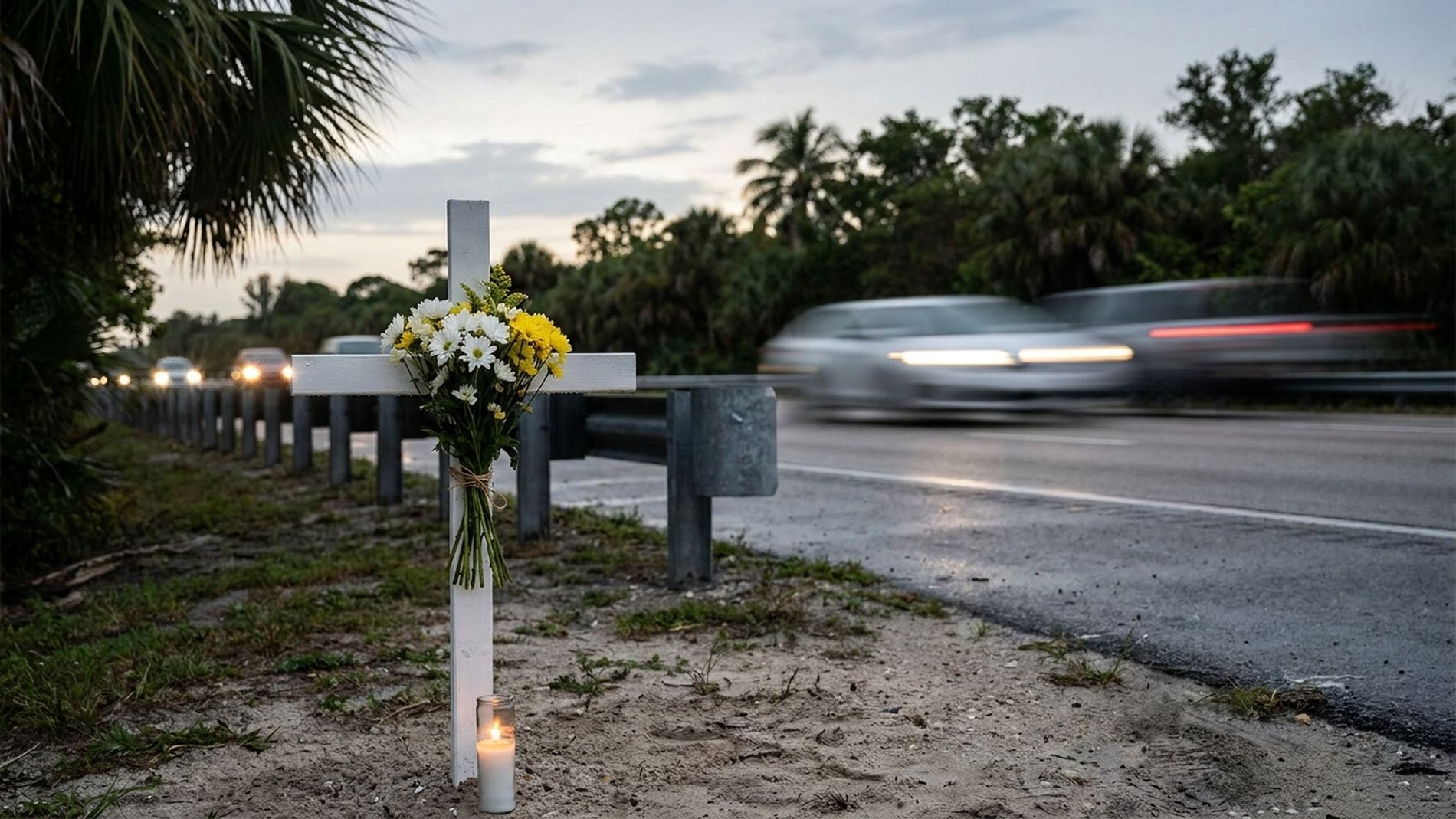
West Palm Beach wrongful death lawyer
Shalhoub Law Injury & Accident represents families who lost someone because another person or company was careless in West Palm Beach and throughout Palm Beach County. That includes who may bring the claim, who can recover, and the deadlines that apply. Attorney Paul R. Shalhoub spent years defending insurance companies before he began representing injured people, and he handles every case himself, from the first call through trial.
If someone in your family was killed because another person or company was careless, Florida gives you a claim. It also puts specific rules around who may bring it, what can be recovered and by whom, and how long you have. Those rules are not intuitive, and getting them wrong costs families real money.
There is no rush to hire anyone. There is a reason to understand the deadlines, because two of them are shorter than people expect and one of them — against a government body — can expire before most families have thought about a lawyer at all.
A claim of this kind does not undo anything, and nobody pretending otherwise should be trusted with it. What it can do is shift the financial consequences of a preventable death away from the family and onto whoever caused it, which is precisely how the Florida Legislature described its own purpose when it wrote the statute: to shift the losses resulting when wrongful death occurs from the survivors of the decedent to the wrongdoer. It can also produce answers. Records, testimony and documents that a family would never otherwise obtain come out in a civil case, and for some families that matters as much as the money.
The three things most people get wrong
1. The family does not file the case. One person does, on everyone’s behalf
Section 768.20 says it in one line: “The action shall be brought by the decedent’s personal representative, who shall recover for the benefit of the decedent’s survivors and estate all damages, as specified in this act, caused by the injury resulting in death.”
There is one lawsuit, brought by the personal representative of the estate. Not one per relative. Not a case filed by the family jointly. If no estate has been opened, one has to be, and that happens in probate court. More on that below, because it is the step that takes the longest and the one families tend to discover late.
2. The deadline did not change in 2023, whatever you have read
Florida’s wrongful death period is two years, under section 95.11(5)(e). It was two years before the 2023 tort reform and it is two years now. What that legislation did was cut the general negligence period from four years to two and renumber the wrongful death paragraph from 95.11(5)(e) to 95.11(5)(e).
A great deal of Florida legal content implies the wrongful death deadline was shortened in 2023. It was not. The clock also runs from the date of death, not the date of the injury — which matters when someone survives a crash or a surgery for weeks or months before dying.
3. The claim is for the living, not for the dead
This surprises almost everyone. Under Florida law, your family member’s own pain and suffering between the injury and the death is not recoverable. When the Legislature wrote the Wrongful Death Act it removed that claim and replaced it with claims belonging to the surviving family. The Florida Supreme Court has quoted the reason directly: the claim for the decedent’s pain and suffering was eliminated and substituted with a claim for the pain and suffering of close relatives, “the clear purpose being that any recovery should be for the living and not for the dead” (Martin v. United Security Services, 314 So. 2d 765 (Fla. 1975), quoted in Capone v. Philip Morris USA, 116 So. 3d 363 (Fla. 2013)).
There is a narrow exception worth knowing. Where it is genuinely disputed whether the wrongful act caused the death, the personal representative may plead survival damages and wrongful death in the alternative. That is a real situation in cases involving long illnesses, and it is decided case by case.
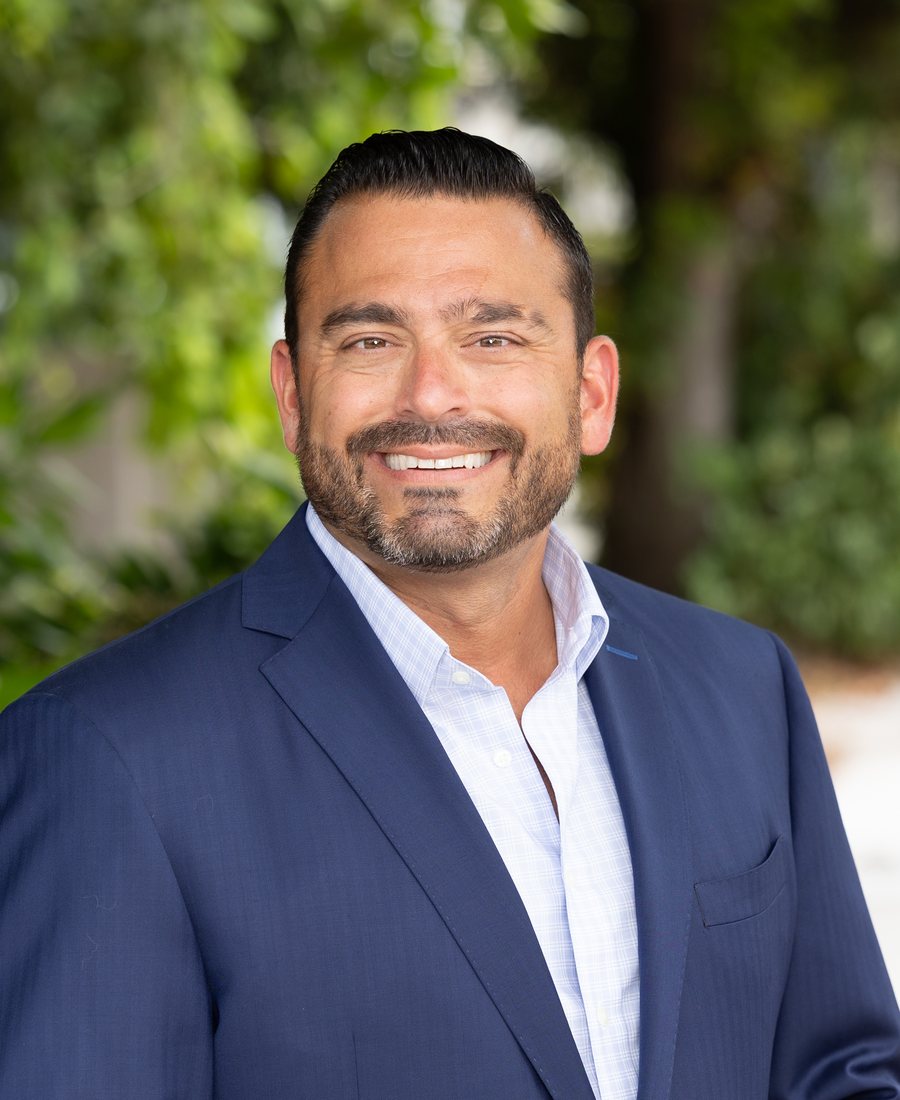
Your attorney, Paul R. Shalhoub
| Attorney | Paul R. Shalhoub — the sole attorney at the firm. He handles these cases personally, start to finish |
| License | The Florida Bar number 88300, admitted 22 March 2011. Verify on The Florida Bar |
| Relevant background | Began at a Florida insurance-defense firm, which is where he learned how carriers evaluate a death claim before a family ever sees an offer |
| Who answers the phone | Korina Malone, lead trial paralegal, takes most first calls. Clients also get Paul’s direct line |
| Meetings | At the office, at your home, in the hospital, by phone or by video. Most families prefer not to come downtown in the first weeks, and that is fine |
| Fees | The consultation is free. The firm advances case costs, and you owe no attorney’s fee and no reimbursement of those costs unless it recovers compensation |
Who counts as a survivor, and what each one can recover
Florida does not treat all family members the same. The statute sorts them, and the category decides what is available.
Section 768.18 defines survivors as the decedent’s spouse, children, parents, and — when partly or wholly dependent on the decedent for support or services — any blood relatives and adoptive siblings.
One definition in that section surprises people and matters a great deal: “minor children” means children under 25 years of age, notwithstanding the age of majority. So a 23-year-old is a minor child for this statute, and a 26-year-old is an adult child.
| Every survivor | The value of lost support and services, from the date of injury to death and into the future, reduced to present value (s. 768.21(1)) |
| Surviving spouse | Also loss of the decedent’s companionship and protection, and mental pain and suffering from the date of injury (s. 768.21(2)) |
| Minor children, and all children if there is no surviving spouse | Also lost parental companionship, instruction and guidance, and mental pain and suffering (s. 768.21(3)) |
| Parents of a deceased minor child | Also mental pain and suffering. Parents of an adult child may recover it only if there are no other survivors (s. 768.21(4)) |
| Whoever paid | Medical and funeral expenses (s. 768.21(5)) |
| The estate | Lost earnings from injury to death, and in defined circumstances the lost prospective net accumulations — what the person would likely have saved and left behind (s. 768.21(6)) |
Two practical notes. The statute requires every potential beneficiary to be identified in the complaint, which is why a lawyer asks for the whole family structure at the first meeting rather than only about the person in front of them. And the verdict itself must state the amount awarded to each survivor and to the estate separately, which is the real answer to the question families ask most often about who receives what.
The medical negligence bar nobody tells families about
If your family member died because of medical care, Florida law may close off the damages you would expect to be the heart of the case. Families in that situation are often the last to find out.
Section 768.21(8) provides that the damages in subsection (3) are not recoverable by adult children, and the damages in subsection (4) are not recoverable by parents of an adult child, in claims for medical negligence.
Read plainly: if your parent died because of medical negligence and you are 25 or older, Florida law bars you from recovering for the loss of their companionship and for your own mental pain and suffering. If your adult child died because of medical negligence, the same bar applies to you as their parent. It is not a cap. It is a complete bar on those categories.
What it does not touch: economic losses, the estate’s claims, and any case that is not medical negligence. A crash, a fall, a defective product or an assault is unaffected.
This provision has come close to repeal twice. A repeal bill passed both chambers of the Legislature in 2025 and was vetoed. Another passed the House in 2026 and died in the Senate. As of this page’s review date the bar remains law. Anyone affected by it should ask about its current status, because it is actively contested.
Opening the estate, and why it should start early
Before a wrongful death case can be filed, a court has to appoint the personal representative. That is a probate matter, separate from the injury claim, and it runs on its own timetable.
In Palm Beach County, probate is handled by the Fifteenth Judicial Circuit. The main courthouse is the Judge Daniel T. K. Hurley Courthouse at 205 North Dixie Highway in West Palm Beach, with the probate department in room 3.2300, and there are also locations in Delray Beach and Palm Beach Gardens. A case must be opened in the county where the person lived at the time of death.
Several practical points, in the Clerk’s own terms:
- Formal administration requires a lawyer. The Clerk states that Florida law requires representation by an attorney to file for formal administration, although simpler proceedings can be done without one.
- The original will must be filed on paper, even though most filings are electronic, and Florida law asks that it be deposited with the Clerk in the county where the person lived within ten days of death.
- Letters of administration are what give authority. Until the court issues them, the personal representative cannot act for the estate.
- It takes time. The Clerk currently publishes a wait of roughly six to eight weeks for orders from the probate court.
That last point is the reason this section exists. A family that waits several months to think about a claim, then discovers that appointing a personal representative takes another two months, has spent a meaningful part of a two-year window on paperwork. Starting probate early costs nothing and removes the bottleneck.
Nothing can be filed until a personal representative has been appointed, and that is a court process with its own timetable. If no one has started it, that is the first conversation to have.
If a government body was responsible
This is the deadline that catches families, and it is much shorter than the one for the lawsuit.
Where the death involved a city, a county, a school district, a sheriff’s office, a public hospital district or a state agency, section 768.28 applies. Before any suit can be filed, the claim must be presented in writing within two years — to the agency, and except for claims against a municipality, county or the Florida Space Authority, also to the Department of Financial Services. That written presentment is a condition that must be satisfied before the case exists.
In wrongful death claims the agency or department has 90 days to respond before the failure to act counts as a denial, and the limitations period is tolled while that runs.
Then there are the caps. The state and its subdivisions are not liable to pay a claim or judgment exceeding $200,000 to any one person, or $300,000 in total for all claims arising out of the same incident, with no punitive damages and no prejudgment interest. Anything above those figures can only be paid if the Legislature passes a claims bill, which is a separate political process that takes years and frequently fails.
This is why identifying a government defendant early matters so much in Palm Beach County, where county roads and signals, school buses, sheriff’s vehicles, public hospital districts and county waterways and parks are all part of daily life.
If a city, a county, a school or a public hospital may be involved, the written notice has to go out before anything else happens. Call before the six-month response window starts running without you.
When there is no deadline at all
One provision deserves to be better known than it is. Under section 95.11(11), where a death resulted from an intentional act described in Florida’s murder or manslaughter statutes, a wrongful death action against a natural person may be commenced at any time.
The statute goes further, and the sentence matters to families whose cases were never prosecuted: it does not require an arrest, the filing of formal criminal charges, or a conviction as a condition of filing the civil case.
Families who were told years ago that nothing could be done, or whose case went cold, are sometimes still able to bring a civil claim. If that describes your situation, it is worth asking rather than assuming.
What these cases involve in Palm Beach County
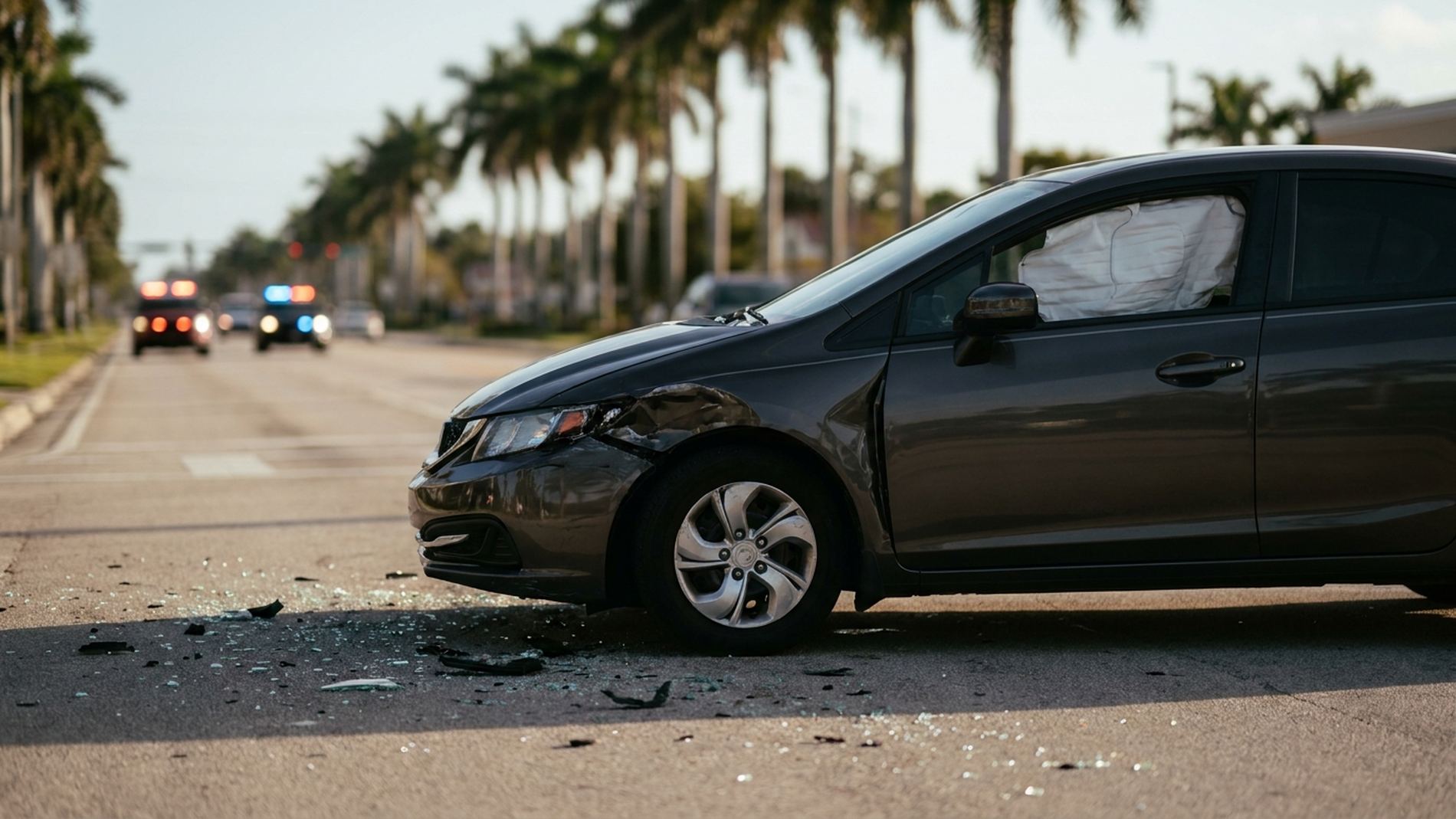
| Fatal crashes | The largest category. Florida’s crash report for 2024 recorded 207 traffic fatalities in Palm Beach County, including 61 pedestrians and 32 motorcyclists (FLHSMV, Florida Traffic Crash Facts Annual Report 2024) |
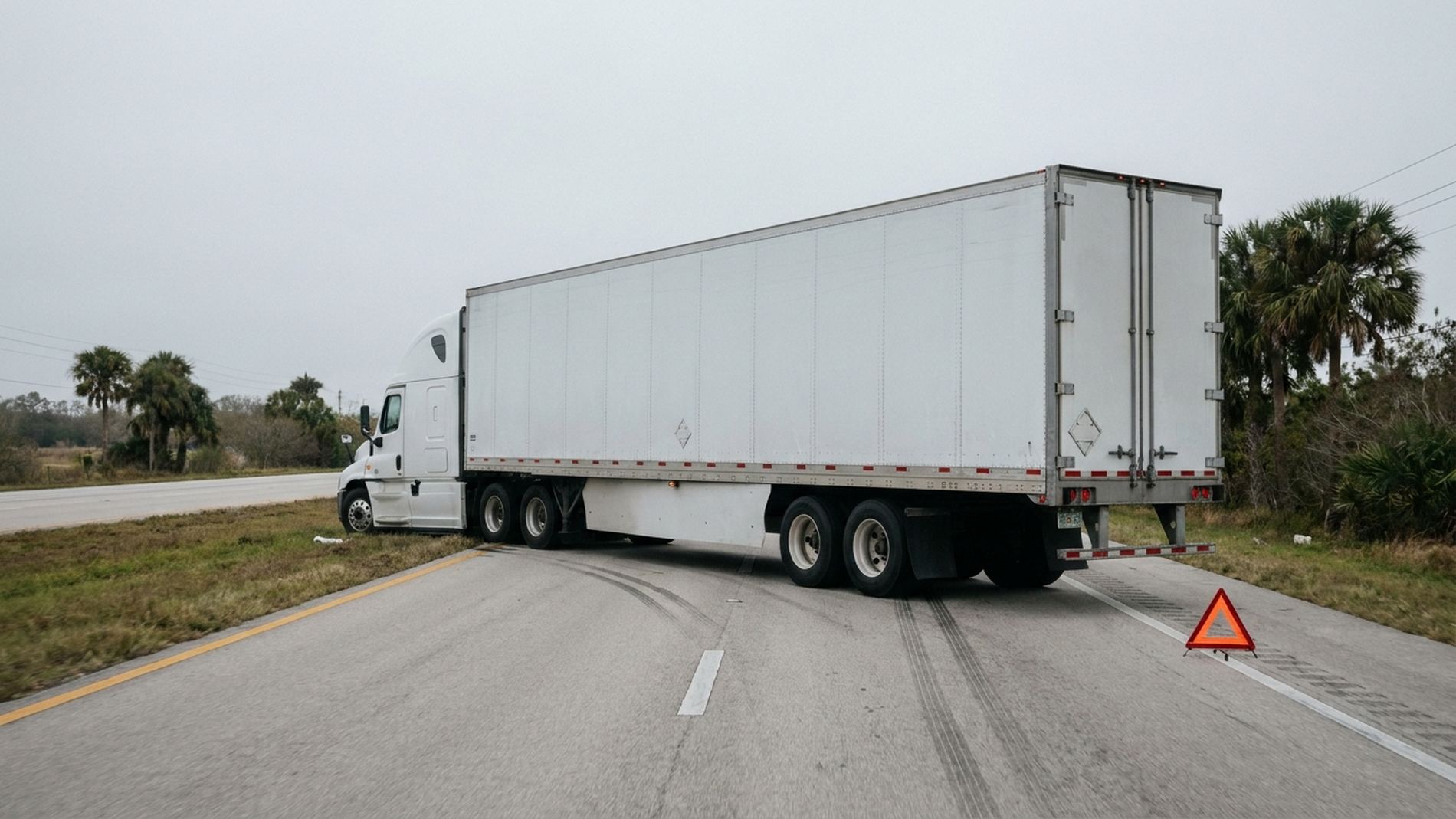
| Commercial truck collisions | Different rules, federal regulations and more than one responsible company. See truck accidents |
| Deaths on someone’s property | Falls from height, drownings, fires, and deaths caused by criminal attacks the property should have prevented. See premises liability and negligent security |
| Nursing home and care facility deaths | Often the hardest for families to get answers about, because the records belong to the facility. See nursing home neglect |
| Medical negligence | Subject to Chapter 766’s pre-suit requirements, a shorter limitations structure, and the damages bar described above |
| Workplace deaths | Workers’ compensation is usually the exclusive remedy against an employer, which is a significant limitation. A claim may still exist against a third party — a contractor, an equipment manufacturer, a property owner — and that is where these cases are usually found |
For broader context, the Florida Department of Health recorded 981 unintentional injury deaths among Palm Beach County residents in 2024, including 39 unintentional drownings (FLHealthCHARTS, deaths by county of residence). That counting method differs from the crash report above, which is why the two traffic figures do not match exactly.
Two provisions that affect timing and money
If a survivor dies while the case is pending
Under section 768.24, a survivor’s death before final judgment limits that survivor’s recovery to lost support and services up to the date of their own death, paid to their estate. For an older surviving spouse, that is a concrete reason not to let a case drift for years: the companionship and mental pain and suffering claim does not survive them.
How fees and costs come out
Section 768.26 provides that attorneys’ fees and litigation expenses are paid by the personal representative and deducted from the awards to the survivors and the estate in proportion to what each received, except that expenses incurred for one particular survivor come out of that survivor’s award. Nobody is asked to write a check; it comes out of the recovery.
Court approval of a settlement
Under section 768.25, while an action is pending, a settlement as to amount or apportionment is not effective without court approval where a survivor objects, or where it affects a survivor who is a minor or incompetent. The court also protects amounts awarded for a minor child under Florida’s guardianship law.
Proving what the loss actually was
Two categories of damages sit in the statute, and they are proven in completely different ways.
The economic case
Lost support and services is more than a salary. The statute defines support to include contributions in kind as well as money, and services as tasks, usually of a household nature, regularly performed by the person that will now be a necessary expense for the survivors. The childcare a grandmother provided, the home and vehicle maintenance a spouse handled, the business a parent ran — those are services, and they are valued at replacement cost.
For the estate, the statute allows lost net accumulations: the part of expected income the person would probably have saved and left behind, had they lived a normal life expectancy. Proving it usually requires an economist working from tax returns, employment records and career trajectory, and it is available only in the circumstances the statute lists — where there is a surviving spouse or lineal descendants, or in defined cases where a surviving parent exists.
One sentence in the statute deserves mention because it lands badly when families meet it unprepared: evidence of the remarriage of the decedent’s spouse is admissible. It is in the text, and it is better heard from your own lawyer early than from a defense lawyer in a deposition.
The human case
Companionship, protection, parental guidance, mental pain and suffering. There is no formula, and a jury is asked to value something that has no price. What makes the difference is specific, truthful evidence of the relationship rather than adjectives: who relied on this person for what, what the daily routine was, what changed afterward. That comes from family, friends, colleagues, teachers, coaches and neighbors, and it is gathered carefully rather than in bulk.
Why insurance is often the real limit
A death claim can be worth more than the policies that exist to pay it. In a crash case that means bodily injury limits, any commercial policy if a vehicle was being used for work, and the family’s own uninsured and underinsured motorist coverage, which many people do not realize applies to a death. Finding every available policy is among the most valuable work done early in a case, and it is why the insurance question gets asked before the damages question.
What actually happens, step by step
Families ask what the next two years look like. Here is the honest sequence, and where the slow parts are.
- A first conversation, whenever you are ready. Free, and usually not about law at all at the start — what happened, who survives, whether there was a police or medical investigation, whether anyone has contacted you.
- Preserving what will otherwise disappear. Vehicle data, surveillance, employment and maintenance records, 911 audio and dispatch records all have retention periods. Written demands go out quickly.
- Opening the estate. Appointing the personal representative is a probate matter and runs on the court’s timetable, currently around six to eight weeks for orders. It can proceed while everything else is being investigated.
- Investigation. The crash or incident is reconstructed, the responsible parties and every applicable insurance policy are identified, and the full picture of the loss is documented. In a death case this includes economic analysis of what the person would have earned and contributed.
- The claim is presented. With the evidence behind it. Many resolve here, because liability insurers facing a documented death claim and a lawyer who tries cases price it differently.
- Suit, if filing improves the outcome. That is a judgment call, not a reflex. In a government case, written presentment comes first and the clock runs differently.
- Mediation, and trial if it is necessary. Most cases resolve before trial. The ones that do not are tried.
Through all of it you deal with Paul. In a case about someone’s death, being handed between a case manager and an intake department is its own kind of injury, and that is not how Paul works.
Questions families ask that are not about money
Will we have to go to court?
Most cases resolve without a trial. Where one happens, survivors are usually witnesses rather than spectators, and what is asked of them is specific and prepared for well in advance.
Do we have to relive it?
Some of it, unavoidably. A claim for the loss of a person requires evidence about who they were and what their absence means, which means talking about them. What a good lawyer can control is when that happens, how it is gathered, and that it happens once rather than repeatedly.
What if the family does not agree?
It happens, particularly in blended families or where survivors are estranged. The statute anticipates it: the verdict apportions amounts separately among survivors, a settlement that a survivor objects to requires court approval while an action is pending, and a defense that applies to one survivor does not reduce another’s recovery. Disagreement does not stop a case, although it can change how it is handled.
Does a lawsuit interfere with the criminal case?
Generally no. The two run in parallel with different standards of proof. A civil case can sometimes obtain records and testimony a family would otherwise never see, and prosecutors are normally used to both proceeding at once.
Is it too late?
It depends entirely on the facts, and the answer is sometimes surprising. Two years applies to most claims, government claims require earlier written notice, and there is no time limit at all for a civil claim against a person for a death resulting from acts described in the murder or manslaughter statutes. If you have been told nothing can be done, it costs nothing to have the dates checked.
What a wrongful death claim is worth
No honest lawyer answers that from a web page, and a firm that quotes a figure before knowing the family structure, the earnings history and the insurance available is guessing at something far too important to guess at.
What determines it: who the survivors are and which statutory categories they fall into, the person’s age, earnings and expected working life, the strength of the liability evidence, how much fault a jury would assign to the person who died, and the insurance that actually exists. Comparative fault applies here too — section 768.81(6) bars recovery where the party is found more than 50 percent at fault for their own harm, and below that line reduces it proportionally.
Prior results do not guarantee a similar outcome. Every case turns on its own facts, its venue and the coverage that actually exists.
Common questions
Who can file a wrongful death claim in Florida?
Only the personal representative of the estate, under section 768.20. The representative brings one action for the benefit of all the survivors and the estate. Individual family members do not file separate suits, which is why appointing a personal representative is the first practical step.
How long do we have?
Two years from the date of death under section 95.11(5)(e). That has been the period both before and after the 2023 tort reform, which renumbered the paragraph but did not shorten it. Claims against a government body require written presentment within two years, and medical negligence has its own structure, including a four-year outer limit.
Can we recover for what our family member suffered before dying?
No, in most cases. Florida replaced the decedent’s own pain and suffering claim with claims belonging to the surviving family. The Florida Supreme Court described the purpose as ensuring that any recovery is for the living rather than the dead. Where the cause of death is genuinely disputed, a personal representative may plead both in the alternative.
My parent died from a medical error and I am over 25. Do I have a claim?
Not for the non-economic damages you would expect. Section 768.21(8) bars adult children from recovering for lost companionship and mental pain and suffering in medical negligence claims, and bars parents of an adult child from recovering mental pain and suffering. Economic losses and the estate’s claims are unaffected. Repeal has been attempted twice recently and has not passed, so ask about the current status.
Does a criminal case have to happen first?
No. The civil claim is separate and uses a lower standard of proof. Where the death resulted from an act described in Florida’s murder or manslaughter statutes, section 95.11(11) allows a civil action against a person to be brought at any time and states expressly that no arrest, charge or conviction is required.
Who receives the money?
The verdict states the amounts awarded to each survivor and to the estate separately, under section 768.22. Awards to the estate are subject to creditors who followed probate procedure. Amounts for a minor child are protected by the court under Florida’s guardianship law.
Do we have to open a probate case?
Yes, because the personal representative is appointed by the probate court and cannot act without letters of administration. In Palm Beach County that is the Fifteenth Judicial Circuit. The Clerk publishes a current wait of roughly six to eight weeks for probate orders, which is why it is worth starting early.
What if my family member was partly at fault?
The claim is reduced by their percentage of fault, and barred entirely only if they were found more than 50 percent responsible for their own harm, under section 768.81(6). Partial fault is not the end of a case, although insurers often present it that way.
They died at work. Is that a wrongful death case?
Usually workers’ compensation is the exclusive remedy against the employer, which limits what a family can pursue there. The question is whether a third party is responsible — a contractor on the site, an equipment manufacturer, a property owner, a negligent driver. That is where these claims are generally found, and it is worth having someone look.
The insurance company has already called us. Should we talk to them?
Not before you have advice. An early offer is made before anyone knows the full picture, and accepting it closes the claim for every survivor. There is no obligation to give a recorded statement to the other side’s insurer.
How long does a wrongful death case take?
Longer than most families expect, and the probate step is part of why. A claim with clear liability and adequate insurance can resolve in months once the estate is open. One that has to be filed and litigated usually takes considerably longer. Pushing for speed generally costs money.
What if there is no will?
It does not prevent a claim. Where there is no will, the probate court still appoints a personal representative, following the order of preference Florida law sets out, which generally favors the surviving spouse or a person chosen by a majority of the heirs. The absence of a will affects who is appointed and how the estate is distributed, not whether the wrongful death action can be brought.
Can we still bring a claim if an autopsy was not done?
Often yes, although it makes causation harder to establish and the defense will say so. Medical records, imaging, treatment notes and the medical examiner’s file may still answer the question, and in some cases an expert can reach an opinion from those alone. If the death is recent and the cause is genuinely unclear, it is worth asking about an autopsy before the opportunity passes.
What does it cost to hire a lawyer?
Nothing. The consultation is free and confidential, with Paul directly, and he will meet you wherever is easiest. The firm advances case costs, and you owe no attorney’s fee and no reimbursement of those costs unless it recovers compensation.
Related claims
The situations that most often cause a death in this county. See every practice area

What happens if you call
You speak to Paul, not an intake screener. The consultation is free, and he will tell you honestly whether you need a lawyer at all — some claims do not. If he takes the case, the preservation letters and the notices to the insurers go out that day, and the calls to you stop. You treat; he deals with the other side. Nothing is settled without your decision, and you see the net figure before you sign anything.
Talk to Paul when you are ready
The conversation is free and confidential, and there is no obligation at the end of it. If it is easier, he will come to you.
Call (561) 208-5058 Free case review
This page describes Florida law as of 22 October 2026 and applies to claims in Florida. It is general information, not legal advice, and reading it does not create an attorney-client relationship.