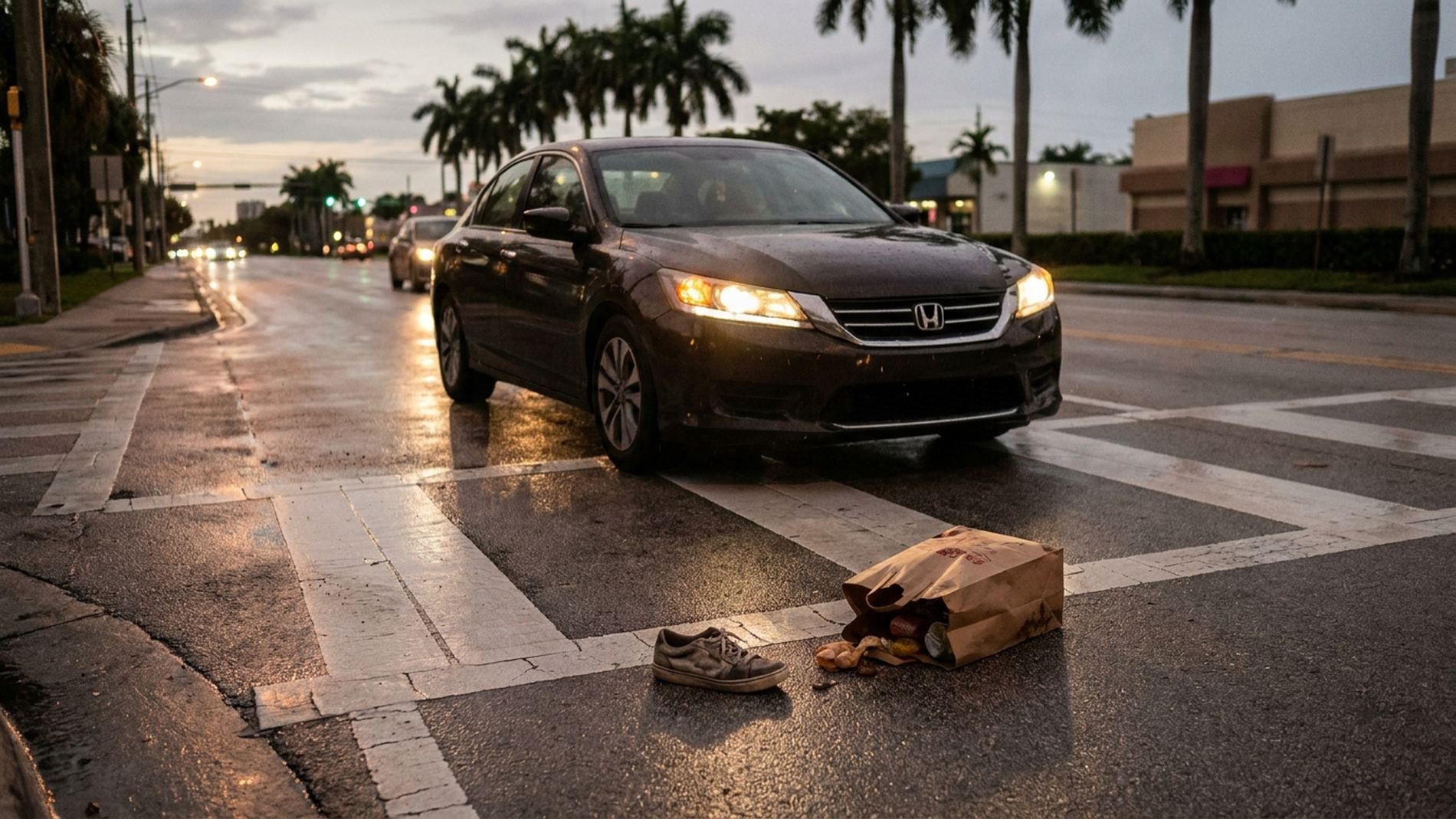
West Palm Beach pedestrian accident lawyer
Shalhoub Law Injury & Accident represents pedestrians struck by vehicles in West Palm Beach and throughout Palm Beach County. That includes whose PIP pays when you are on foot, right-of-way disputes, and cases where the driver left the scene. Attorney Paul R. Shalhoub spent years defending insurance companies before he began representing injured people, and he handles every case himself, from the first call through trial.
You were on foot, so you had no insurance of your own in the crash. That does not mean nobody owes you medical benefits. Florida’s no-fault system does reach pedestrians — the question is whose policy pays, and the answer depends on facts most people never think about.
In 2024 Palm Beach County recorded 807 pedestrian crashes and 61 pedestrian deaths. Crashes were up 13.18 percent on 2023 and deaths up 12.96 percent (FLHSMV, Florida Traffic Crash Facts Annual Report 2024). More people die walking in this county than on motorcycles and bicycles combined.
Attorney Paul R. Shalhoub spent the first part of his career at a Florida insurance-defense firm. Pedestrian claims are defended on one theme — that you stepped out — and he knows how that argument is built, which is how it gets taken apart.
What Paul Shalhoub does on a pedestrian claim
The first two items have a 14-day deadline attached. Most of the rest stop being possible within weeks.
| Works out whose PIP applies, in days not weeks | Yours if you own a vehicle, a resident relative’s if you do not, otherwise the striking vehicle’s — and that last route is conditioned on Florida residency and physical contact. Getting this wrong is the most common reason a pedestrian is told there are no benefits when there are |
| Protects the 14-day window and the emergency determination | Benefits require initial care within 14 days, and the full $10,000 requires a provider to have determined you had an emergency medical condition. Both have to be in the record, not assumed |
| Preserves the footage before it overwrites | The most time-sensitive step in a pedestrian case. Private systems along the arterials and in parking lots overwrite in days, and that footage is frequently the whole liability case |
| Measures the place, not just the crash | Lighting, sight lines, signal timing and the distance to the nearest signalised crossing — because a quarter-mile gap between crossings is a road-design fact a jury is entitled to hear, and because an unmarked crosswalk at an intersection is still a crosswalk |
| Gets the driver’s data and, where it matters, their phone records | Event data recorders hold speed and braking in the seconds before impact. Distraction cuts both ways and the driver’s records are discoverable too |
| Fights the comparative fault argument with evidence | Above 50 percent you recover nothing, so this is not a detail. Point of impact, where you landed, and the physical evidence answer “they stepped out” in a way that argument cannot |
| Negotiates the liens | PIP and health plan reimbursement rights argued down before anything is signed |
| Files and tries it where the number is not fair | Same attorney through depositions, mediation and trial |
What you do: get seen inside 14 days, keep every appointment, and tell us where it happened so the footage can be chased today.
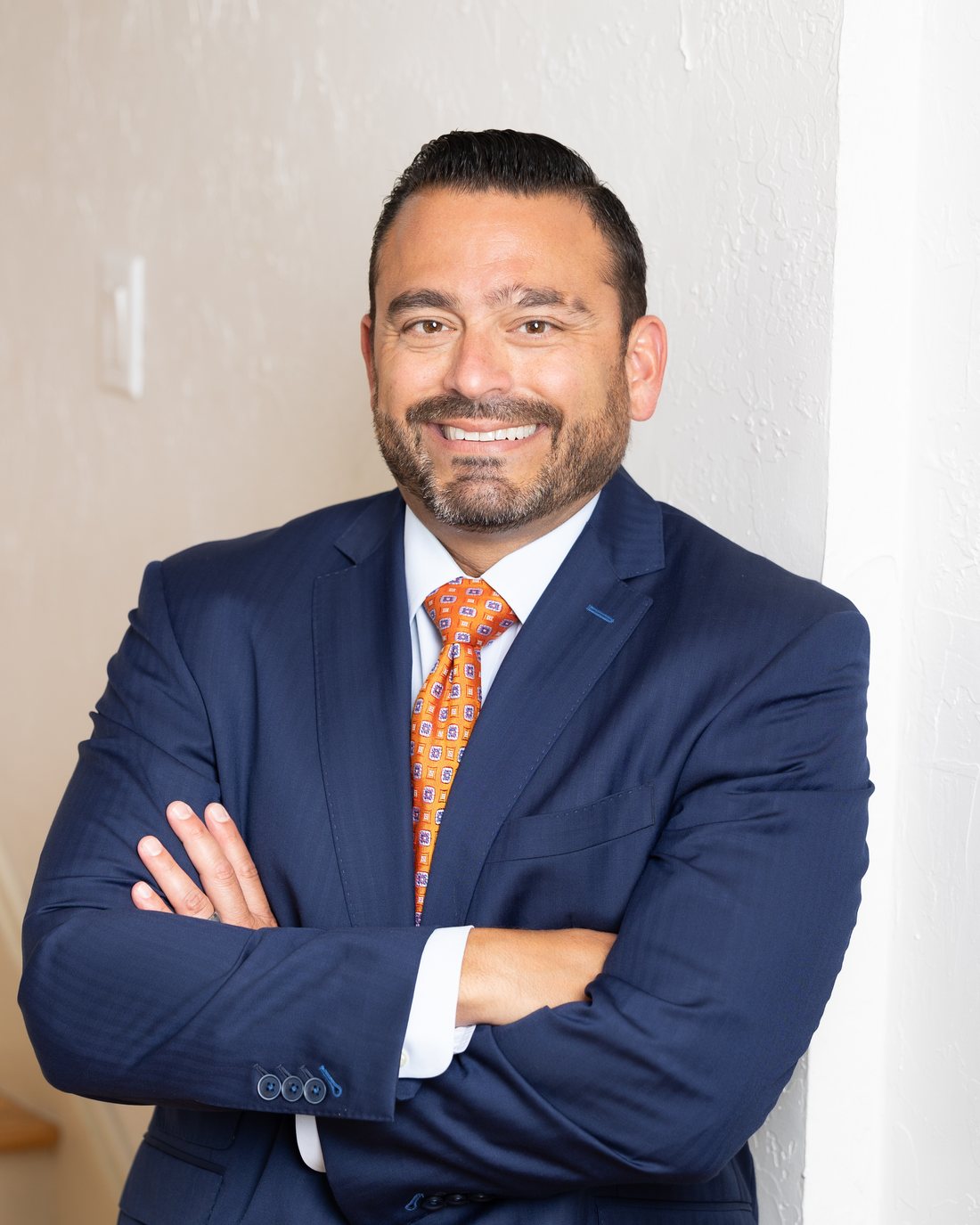
Why choose attorney Paul Shalhoub
Paul R. Shalhoub is the sole attorney at Shalhoub Law Injury & Accident, and he began his career at a Florida insurance-defense firm, working for carriers. Pedestrian claims are defended on one theme — that you stepped out — and knowing how that argument is assembled, and which parts of it a carrier actually believes, comes from having built it.
He has recovered policy limits of $500,000 and $250,000 in motor-vehicle claims and taken a case to a jury verdict at sixteen times the last pre-trial offer. Past results do not guarantee or predict a similar outcome, and no two cases are alike.
He is admitted to The Florida Bar (number 88300, admitted 22 March 2011) and to the United States District Court for the Southern District of Florida. He is also a former Mayor of Lake Clarke Shores and served three terms on its Town Council — which is to say he has sat on the body that decides where crossings and street lighting go.
The practical difference is access. This is a single-attorney practice, so the lawyer who takes your first call is the one who chases the footage, orders the coverage and tries the case.
More about Paul R. Shalhoub · Case results · All practice areas
Do you need a lawyer if you were hit by a car?
An honest answer, including when it is no.
Where you probably do not. A car nudged you at walking pace in a parking lot, you were checked and discharged the same day with nothing beyond a bruise, and nobody is disputing anything. Your own PIP will handle it.
Where you almost certainly do. You were struck by a moving vehicle on a road and taken to the hospital. You do not know whose PIP applies. The 14-day window is close or gone. The driver left. The driver says you stepped out. You were not in a marked crosswalk. You are visiting Florida and own no vehicle here. A child or an older relative was hurt. Or somebody died.
Pedestrian claims carry the most severe injuries of any road user group and the most aggressive comparative fault defense. The consultation is free and it is with Paul.
The practical details
| Attorney | Paul R. Shalhoub — the sole attorney at the firm |
| License | The Florida Bar number 88300, admitted 22 March 2011. Verify on The Florida Bar |
| Relevant background | Began at a Florida insurance-defense firm, working for the carriers |
| Who handles the case | Paul, start to finish. No case managers |
| Office | 1011 N Olive Ave, West Palm Beach, FL 33401. He will also meet you at home or in the hospital |
| Office hours | Monday to Friday, 8:30 a.m. to 5:30 p.m. Calls and messages answered 24 hours |
| Case costs | The firm advances them. No fee and no reimbursement of costs unless it recovers compensation for you |
Whose PIP pays when you were walking
This is the first question, it has a definite answer, and getting it wrong in the first two weeks costs you $10,000.
Florida’s no-fault statute covers more than drivers. Section 627.736(1) extends benefits to “other persons struck by the motor vehicle and suffering bodily injury while not an occupant of a self-propelled vehicle”. That is you, on foot. So PIP is in play. The work is finding which policy.
| You own a vehicle | Your own PIP pays, even though your car was parked at home and had nothing to do with it. PIP follows the person, not the vehicle |
| You live with a relative who owns a vehicle | That resident relative’s PIP generally pays. This catches out adult children, parents and spouses who assume they have nothing |
| You own no vehicle and no resident relative does | The PIP of the vehicle that struck you pays, under section 627.736(4)(e)4 — but only where there was physical contact with that vehicle and you are a resident of Florida |
| You are a visitor, and own no Florida vehicle | This is the gap. The route through the striking vehicle’s policy is conditioned on Florida residency. A visitor struck here may fall outside it entirely and have to look to health insurance and the liability claim instead |
| No physical contact | A driver who forces you off the pavement without touching you can leave you outside that same route, which is written around physical contact. The liability claim is unaffected, but the no-fault benefits may not be there |
Palm Beach County has a very large seasonal and visiting population, and that last pair of rows is not academic here. It is the single most common reason a pedestrian in this county is told there are no benefits when in fact nobody has worked through the order properly.
Two practical consequences follow. First, the policy you need may belong to someone who was not there — a relative you live with, whose insurer has no idea a claim is coming. Second, the answer has to be found in days rather than weeks, because the benefit it unlocks is conditioned on treatment that has to happen inside two weeks. Those two facts together are why a pedestrian who waits to “see how it goes” before calling anyone is usually the person who ends up with nothing from the no-fault side of the claim.
The 14-day rule applies to you
Because you are inside the PIP system, you are inside its deadline. Section 627.736(1)(a) conditions medical benefits on receiving initial services and care within 14 days of the crash, from a qualifying provider or a hospital. Miss it and the $10,000 is gone — not reduced, gone.
Pedestrians miss this deadline more than any other group, for an understandable reason: many are taken to the hospital, discharged, and then wait to see how they feel. The hospital visit itself normally satisfies the requirement, but a person who was never transported, walked away sore, and saw nobody for three weeks has usually lost the benefit before they knew it existed.
Most people struck on foot do not know their own auto policy is the one that pays first. If you are not sure what you have, bring the policy to the call and we will read it with you.
Right of way: what the statute actually says
Liability in a pedestrian case is argued out of one statute, and it cuts both ways. Knowing which subsection applies to where you were standing usually decides the argument.
From section 316.130:
| (7)(a) Signalised crossing | Where a pedestrian has a permitted signal, a driver shall stop before entering the crosswalk and remain stopped. Not slow down — stop, and stay stopped |
| (7)(c) Unsignalised crosswalk | The driver shall yield the right-of-way, slowing down or stopping if need be to so yield |
| (9) Overtaking a stopped vehicle | A driver coming up behind a vehicle stopped for a pedestrian shall not overtake and pass such stopped vehicle. This is the multiple-threat collision, and it is one of the most lethal patterns on a multi-lane road |
| (10) Crossing outside a crosswalk | The pedestrian shall yield the right-of-way to all vehicles upon the roadway |
| (12) Where to cross | Outside a marked crosswalk, cross at right angles to the curb or by the shortest route to the opposite curb |
| (8) Leaving the curb | A pedestrian shall not suddenly leave a curb or other place of safety and enter the path of a vehicle so close that the driver cannot yield |
| (3) Where sidewalks exist | A pedestrian should not walk on the paved roadway |
| (4) Where no sidewalk exists | Walk on the shoulder on the left side of the roadway, facing oncoming traffic, where practicable |
Two things follow that matter a great deal in practice.
Subsection (10) does not end the case. A pedestrian crossing outside a crosswalk must yield, but a driver still owes a duty of ordinary care and may not run down someone who is plainly visible. Failing to yield is a share of fault, not a license. The question becomes how that share is apportioned, and that is a jury question on the facts, not a label applied at the scene.
An unmarked crossing can still be a crosswalk. In Florida a crosswalk exists at an intersection by the ordinary prolongation of the sidewalk lines, painted or not. A driver telling an officer that you were “not in a crosswalk” is frequently describing an intersection where an unmarked crosswalk legally exists. That distinction has moved the fault split in real cases.
The defense you should expect, and what answers it
Nearly every pedestrian claim is defended on comparative fault. Under section 768.81(6), a person found more than 50 percent at fault for their own harm recovers nothing. The defense does not have to prove the driver blameless. It only has to push you over half.
| “They stepped out in front of me” | Answered with distance and time: skid or scuff marks, the point of impact, where you landed, and the vehicle’s own event data recorder, which records speed and braking in the seconds before impact |
| “They were not in the crosswalk” | Often an unmarked crosswalk at an intersection. Check the geometry before accepting the label |
| “They were in dark clothing” | A real factor at night, and also a distraction from whether the driver's headlights, speed and attention met the standard. Lighting at that location can be measured |
| “They were distracted / on a phone” | Cuts both ways. The driver's phone records are discoverable too, and in a serious case they should be sought early |
| “They had been drinking” | Relevant only if it caused the crash. A person walking home precisely because they had been drinking is behaving responsibly, and juries understand that when it is explained |
| “The sun was in my eyes” | Not a defense. A driver who cannot see must slow down or stop |
None of these is answered by argument. They are answered by the scene, the vehicle data, the lighting, the sight lines, the witnesses and the reconstruction — which is why the first week matters more than the first year.
If the driver left
A large share of pedestrian deaths are hit and run, and the claim does not end because the car did not stop.
Leaving the scene of a crash involving injury is a felony in Florida under section 316.027, and where a death results the penalties are severe. That is the criminal side, and it runs on its own track. Your civil claim does not depend on anyone being caught or convicted.
- Uninsured motorist coverage is the answer more often than people expect. If you own a vehicle, or live with a relative who does, that UM coverage can respond to a hit-and-run driver. Most people never check.
- The vehicle is often identified later. Debris at the scene identifies a make and model, body shops are required to report certain repairs, and private and municipal cameras fill in the rest — if someone collects them before they are overwritten, which in practice means days.
- Report it promptly. A UM claim for an unidentified vehicle has its own notice requirements, and a late report is the first thing a carrier raises.
A hit-and-run turns on footage and witnesses, and both disappear quickly. If the driver left, that is a call to make today rather than after the police report arrives.
Where these crashes happen in Palm Beach County
| Pedestrian crashes, Palm Beach County, 2024 | 807 — up 13.18 percent on 2023, against a three-year average of 722 |
| Pedestrian deaths, Palm Beach County, 2024 | 61, up 12.96 percent, against a three-year average of 57 |
| Pedestrians injured, Palm Beach County, 2024 | 661, up 18.25 percent |
Source: FLHSMV, Florida Traffic Crash Facts Annual Report 2024, Palm Beach County table.
Roughly one pedestrian crash in thirteen killed someone, and all three numbers rose together, which is the pattern of more exposure rather than isolated severe events.
The geography is consistent. The six-lane arterials built for traffic speed rather than for people crossing them — Okeechobee, Military Trail, Southern, Belvedere, Forest Hill, Congress, Lake Worth Road, Dixie — carry long distances between signalised crossings, which is precisely the condition that produces mid-block crossings and the multiple-threat collision that subsection (9) exists to prevent. Downtown West Palm Beach and Clematis produce a different pattern: lower speeds, turning vehicles, and crossings where a driver was looking for a gap in traffic rather than for a person. Transit stops placed between crossings generate their own.
If you were taken for trauma care, the county has exactly two state-approved trauma centers, both Level I: Delray Medical Center and St. Mary’s Medical Center. Those records are the spine of the claim and should be obtained complete, imaging included. They also carry the two things a pedestrian claim later depends on and nobody thinks about at the time: the emergency medical condition determination that unlocks the full PIP limit, and the baseline imaging a treating physician needs before anyone can give a permanency opinion.
Injuries, and the threshold you will have to meet
A person on foot struck by a vehicle absorbs the entire impact. The injuries are the most severe of any road user group, and the pattern is recognizable: a strike to the legs, the body loading onto the hood, then the head striking the vehicle or the road.
- Traumatic brain injury, frequently from the secondary impact with the ground rather than the vehicle. See brain injury.
- Tibia, fibula and pelvic fractures, typically the first point of contact and typically surgical.
- Spinal injury, where the question becomes lifetime care.
- Internal injuries that present late, which is one reason the 14-day rule traps people who felt able to walk home.
- Psychological injury, compensable in Florida when it accompanies physical injury, and routinely under-documented.
Because the driver’s vehicle carries the security Florida requires, the limitation in section 627.737(2) is in the case. To recover for pain, suffering, mental anguish and inconvenience you will need to show a permanent injury within a reasonable degree of medical probability, significant and permanent loss of an important bodily function, significant and permanent scarring or disfigurement, or death. Medical expenses and lost earnings are not subject to it.
In pedestrian cases that threshold is usually met on the orthopedic injuries alone. The reason to know about it anyway is that the permanency opinion has to come from a treating physician who was actually asked for it, and nobody asks unless someone tells them to.
What to do, and the clock you are on
- Get care within 14 days, without exception. This is the one deadline that destroys benefits rather than reducing them. If you were seen in the hospital on the day, you are covered; if you were not, see someone now.
- Work out whose PIP applies before anyone bills anything. Yours, a resident relative’s, or the striking vehicle’s. Billing the wrong one creates problems that are expensive to unwind.
- Photograph the location, not just the injuries. The crossing, the signals, the sight lines, the lighting, the distance to the nearest signalised crossing. Those facts decide the comparative fault argument and they change when the road is resurfaced or a signal is retimed.
- Get the crash report, but expect a wait. Florida crash reports are confidential for 60 days after filing, released in that window only to those involved, their legal representatives, insurers and certain others (s. 316.066(2)(a)).
- Have nearby camera footage preserved immediately. Private systems overwrite in days. This is the single most time-sensitive step in a pedestrian case.
- Do not give a recorded statement to the driver’s insurer. The questions are built around subsection (8) and subsection (10).
- Watch the deadline. Two years for a negligence claim accruing after 24 March 2023 (s. 95.11(5)(a)). A death claim runs under the Wrongful Death Act — see wrongful death. A government vehicle, or a claim about the road itself, changes the timing entirely.
The PIP claim, and the lien nobody warns you about
Finding the right PIP policy is the first job. Using it properly is the second, and it affects what you keep at the end.
PIP pays 80 percent of reasonable medical expenses and 60 percent of lost earnings, up to the $10,000 limit, and it pays regardless of who was at fault. Two features catch pedestrians out.
The emergency medical condition rule. Reimbursement reaches the full $10,000 where a physician, dentist, physician assistant or advanced practice registered nurse determines the injured person had an emergency medical condition. Where a provider determines they did not, reimbursement is limited to $2,500. In a pedestrian case the injuries usually make the determination straightforward, but it has to appear in the record rather than be assumed — and a person who was never transported, then saw a walk-in clinic three days later, may find nobody ever addressed it.
PIP has a right of reimbursement. Whichever carrier pays will generally look to be repaid out of your recovery. So will a health plan that paid the rest. A settlement that looks like a good number before liens can be a disappointing number after them, and the negotiation of those liens is often worth more to a client than the last few thousand dollars of the gross figure. It is also work that simply does not get done if nobody is doing it.
The practical sequence: get care inside 14 days, have the emergency medical condition addressed in the record, bill the correct PIP carrier, put the health plan on notice, and deal with reimbursement before signing anything rather than after.
How these collisions happen, and what each one points to
The pattern tells you where the evidence is, and pedestrian cases are won on evidence that has a short life.
| The multiple threat | One vehicle stops for you in the curb lane and a second comes through the inside lane without stopping. Subsection (9) exists to prevent exactly this, and it is among the deadliest patterns on a six-lane arterial. The stopped driver is usually the best witness in the case, and usually nobody takes their details |
| Left turn across a crossing | A turning driver is watching for a gap in oncoming traffic, not for a person crossing with the signal. Signal timing data establishes who had the phase, and it is recorded |
| Right turn on red | The driver looks left for traffic and turns into a person coming from the right. Common at downtown intersections, and the vehicle damage pattern settles it |
| Mid-block crossing | The defense calls it jaywalking. The question worth asking is how far it was to the nearest signalised crossing, because a quarter-mile gap between crossings is a road design fact that a jury is entitled to hear |
| Reversing in a parking lot | Low speed, high injury, and almost always captured on a camera that overwrites within days. These are also the cases where the driver genuinely did not see anyone, which makes the footage decisive |
| Struck on the shoulder or verge | If you were walking on the left shoulder facing traffic as subsection (4) directs, you were doing exactly what the statute asks, and that should be established early and clearly |
| At or near a transit stop | Where a stop sits between signalised crossings, people cross where the stop is. Agency records establish where stops and crossings actually are |
| Struck by a commercial vehicle | Changes the case entirely: federal safety rules apply and the records they create have destruction dates as short as three months. See truck accidents |
Almost every row depends on something that disappears: camera footage overwritten, a signal retimed, a road resurfaced, a vehicle repaired, a witness who moves on. That is the argument for acting in the first week.
What the claim can include
| Medical expenses | Emergency and trauma care, surgery, hospitalization, imaging, rehabilitation, medication and equipment. Not subject to the injury threshold |
| Future medical care | What you will need and have not yet had, proved through treating physicians and, in a catastrophic case, a life care plan |
| Lost earnings | Wages already lost, and lost earning capacity where the injury changes what you can do. Also outside the threshold |
| Pain, suffering and mental anguish | The category the threshold governs |
| Permanent scarring and disfigurement | Its own category under the threshold, and common after degloving and grafting |
| Loss of enjoyment of life | What you can no longer do, documented rather than asserted |
| Household services | What you did at home and now pay someone else to do |
| Property damage | What you were carrying. Modest, and frequently overlooked |
If a family member died, the recoverable categories are set by the Wrongful Death Act rather than ordinary negligence law. See wrongful death.
How a pedestrian case actually proceeds
| First days | Care established inside the 14-day window. The PIP order worked out and the right carrier put on notice. Camera footage near the scene identified and preserved before it overwrites. The scene photographed as it was — lighting, signals, sight lines, crossing distances. A preservation demand so the vehicle's data survives |
| First weeks | The crash report obtained, with the 60-day confidentiality in mind. Witnesses located, including the driver who stopped. Every policy identified: yours, a resident relative's, the striking vehicle's, and any UM layer. A reconstruction expert engaged where fault is disputed |
| Months one to six | Treatment continues to the point where the medical picture is clear. Permanency documented by the treating physicians rather than assumed. Health plan and PIP liens identified so they are managed, not discovered at the end |
| Demand | Once future care can be stated rather than guessed at, and the comparative fault picture is as strong as the evidence will make it |
| Suit, if needed | Filing opens formal discovery: the driver's deposition, the vehicle download, and phone records where distraction is in issue |
| Resolution | Settlement, mediation or trial. Florida requires most cases to be mediated before trial |
Throughout, one attorney handles the file. You are not passed between a signing lawyer, a litigation department and a settlement department.
Children, older pedestrians and workers on the road
Three groups appear in these claims repeatedly, and each changes the analysis in a way worth stating plainly.
Children
A comparative fault argument against a child runs into the fact that a child cannot be held to an adult’s judgment about traffic. What a seven-year-old should have understood about closing speed on a six-lane road is a very different question from what an adult should have, and the younger the child the weaker the argument becomes. Where the crash happened near a school, a park or a bus stop, the driver’s duty is assessed against surroundings that put children in the roadway predictably.
Procedurally, a parent or guardian brings the claim, and a Florida court approves certain settlements on a minor’s behalf. The 14-day rule still applies, so care has to be arranged immediately rather than after anyone has worked out who pays.
Older pedestrians
Palm Beach County has a large older population, and two arguments recur. The first is that a pre-existing condition, not the collision, explains the current state. The answer is the medical record before and after, which is why complete prior records are obtained rather than avoided — a defense that depends on a gap in the history collapses once the history is there. The second is that the person was slow to cross. Signal crossing intervals are designed to a walking speed assumption, and whether a particular crossing gave enough time is a measurable fact, not an opinion.
People working in or beside the road
Someone struck while working — landscaping a median, collecting refuse, surveying, directing traffic, delivering — may have both a workers’ compensation claim and a claim against the driver. The two interact: the compensation carrier will assert a lien on any recovery from the driver, and the sequence in which the claims are handled affects what the injured person keeps. It is also a situation where more than one party may be responsible, including a contractor responsible for the work zone.
Common questions
I was walking, so I had no insurance. Who pays my bills?
Probably someone. Florida PIP reaches people struck by a vehicle while not occupying one. If you own a car, your own PIP pays even though it was parked. If you live with a relative who owns one, theirs generally does. If neither applies and you are a Florida resident who was physically struck by the vehicle, the striking vehicle’s PIP pays. Working out which one comes first is the first thing Paul does.
Does the 14-day rule apply to pedestrians?
Yes, and it is the deadline people miss most. Medical benefits require initial services and care within 14 days of the crash. A hospital visit on the day normally satisfies it. Walking away and waiting three weeks to see how you feel usually does not, and the $10,000 is then gone entirely.
I was not in a crosswalk. Is my case over?
No. Section 316.130(10) says a pedestrian crossing outside a crosswalk must yield, but a driver still owes ordinary care and cannot run down someone plainly visible. It becomes a question of apportioning fault. It is also worth checking whether you really were outside a crosswalk — at an intersection, an unmarked crosswalk exists by the prolongation of the sidewalk lines, painted or not.
What if I was partly at fault?
You can still recover, reduced by your share, unless you are found more than 50 percent responsible, in which case Florida law bars recovery entirely under section 768.81(6). That threshold is exactly why the defense works so hard on this, and why the scene evidence matters so much.
The driver drove off. Do I have anything?
Often yes. Leaving the scene of a crash with injury is a felony, but your civil claim does not wait on the criminal case. If you or a resident relative own a vehicle, that uninsured motorist coverage can respond to a hit-and-run driver. Debris, body-shop reporting and nearby cameras also identify vehicles more often than people expect — if the footage is preserved in the first days.
I am visiting Florida. Does that change anything?
It can. The route to the striking vehicle’s PIP is conditioned on the injured person being a Florida resident. A visitor who owns no Florida vehicle may fall outside it and have to rely on their own health insurance and the liability claim. It does not affect your right to bring the claim, and it is a reason to get advice early rather than assume there is nothing.
Do I have to prove a permanent injury?
For pain and suffering, yes. The driver’s vehicle carries the security section 627.737(2) keys on, so the threshold is in the case. In pedestrian claims it is usually met on the fractures alone, but the permanency opinion still has to be asked for and documented by a treating physician. Medical bills and lost earnings are never subject to it.
What if a child was hurt?
Different rules apply to what a child can be expected to understand about traffic, and that affects any comparative fault argument. A parent or guardian brings the claim, and a court approves certain settlements for a minor. The 14-day rule still applies, so care has to be arranged immediately.
What if my family member was killed?
The claim runs under Florida’s Wrongful Death Act, which sets its own rules on who may bring it and what may be recovered, and the personal representative of the estate brings one action for everyone. See wrongful death.
What does it cost to hire a lawyer?
The consultation is free and confidential, with Paul. The firm advances case costs, and you owe no attorney’s fee and no reimbursement of those costs unless it recovers compensation for you.
Related claims
Crashes that follow different rules, handled by the same attorney in the same office. See every practice area

What happens if you call
You speak to Paul, not an intake screener. The consultation is free, and he will tell you honestly whether you need a lawyer at all — some claims do not. If he takes the case, the preservation letters and the notices to the insurers go out that day, and the calls to you stop. You treat; he deals with the other side. Nothing is settled without your decision, and you see the net figure before you sign anything.
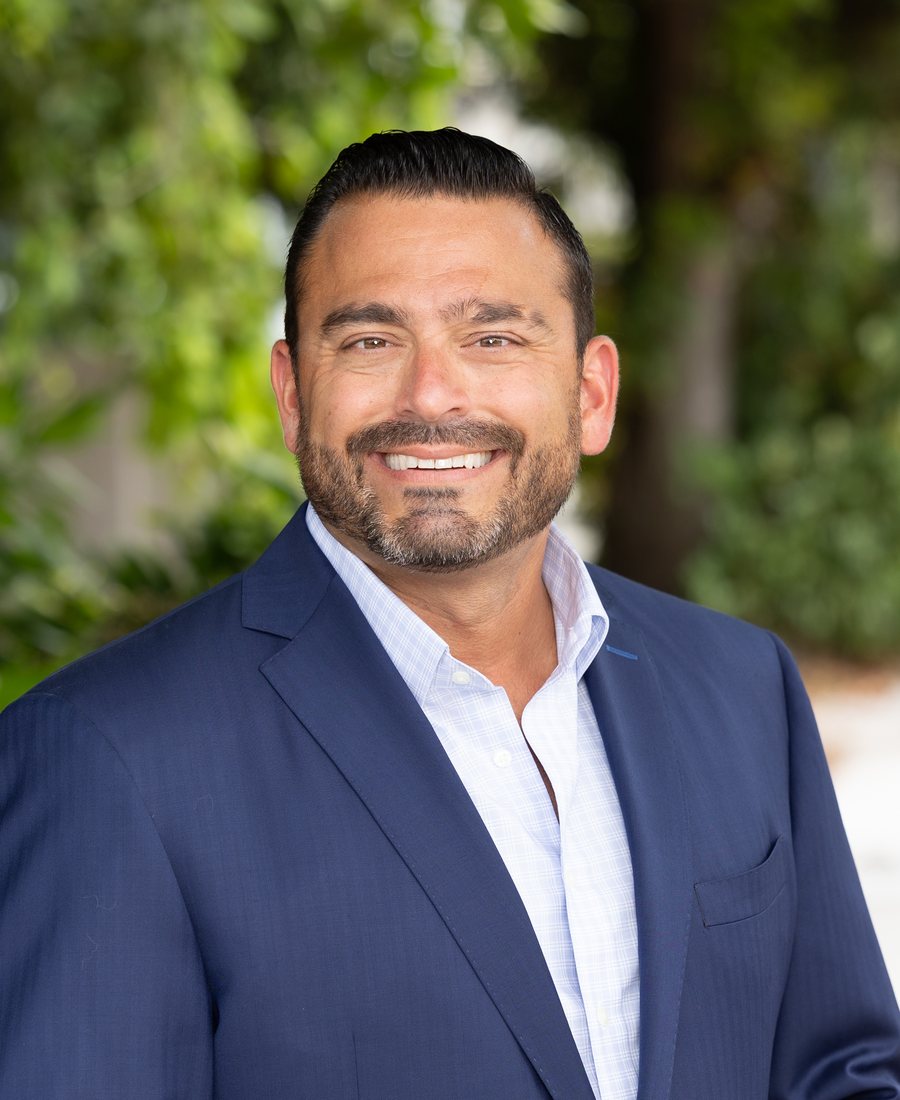
Talk to Paul about what happened
Free, confidential, and with the attorney who would handle the case. If you were on foot, the first question is which policy pays — and there are only 14 days to get that right.
Call (561) 208-5058 Free case review
This page describes Florida law as of 22 October 2026 and applies to claims in Florida. It is general information, not legal advice, and reading it does not create an attorney-client relationship.