
Medical malpractice lawyer
Shalhoub Law Injury & Accident represents patients harmed by medical negligence in West Palm Beach and throughout Palm Beach County. That includes the presuit investigation that comes before a case can be filed, and the deadline that can expire before anyone knows there was a claim. Attorney Paul R. Shalhoub spent years defending insurance companies before he began representing injured people, and he handles every case himself, from the first call through trial.
Paul handles claims for missed diagnoses and surgical errors, which Florida requires to go through a presuit investigation before suit is filed.
Paul builds each demand around what moves an insurer, because he spent the early part of his career working for insurers.
Reach us
Monday through Friday, 8:30 a.m. to 5:30 p.m.
Calls answered 24 hours
Phone: (561) 208-5058
Email: info@shalhoubinjurylaw.com

What this claim involves
Who is responsible
These claims turn on whether the care fell below the professional standard, which has to be established by a qualified physician before suit is filed.
What it is worth
Medical bills, lost income, future care and the part that is not on a receipt. How value is calculated →
How long you have
Two years for most Florida negligence claims. Florida injury deadlines →
What does it cost to hire a lawyer?
Nothing up front. The fee is contingent on winning or settling the case.
Why a malpractice case takes months before anything is filed
Chapter 766 requires a presuit process before you can file, and that is why these claims move slowly even when they are strong.
A medical negligence claim in Florida can’t simply be filed. Before a complaint exists, the claimant must complete a presuit investigation under s. 766.203(2), corroborated by a medical expert, and then serve each prospective defendant with a notice of intent to initiate litigation under s. 766.106(2)(a) — by a verifiable means such as certified mail, return receipt requested.
| Investigation first | s. 766.203(2). Records are obtained and reviewed, and the claim has to be corroborated by a qualified medical expert before notice goes out. This is the expensive part and it happens before anyone knows whether the case will be contested |
| Notice of intent | s. 766.106(2)(a), served on each prospective defendant, with copies of the medical records the expert relied on where available |
| A 90-day pause | s. 766.106(3)(a): no suit may be filed for 90 days after notice is delivered. The defendant and its insurer review the claim during that window |
| The clock stops | s. 766.106(4): on mailing the notice, the statute of limitations is tolled as to all prospective defendants, through the 90 days and any agreed extension |
| Three possible answers | s. 766.106(3)(b): at or before the end of the 90 days the defendant must reject the claim, make a settlement offer, or offer to arbitrate damages with liability admitted. Under (3)(c), no response at all is deemed a final rejection |
There is one timing trap worth knowing. Where negotiations terminate during an extended period, s. 766.106(4) gives the claimant 60 days or the remainder of the limitations period, whichever is greater, to file. It’s a short window at the end of a long process, and a bad time to be learning the rules.
The deadline that can expire before anyone knows there was a claim
The deadline is two years, with a four-year cap that applies no matter what you knew.
Under s. 95.11(5)(c) a medical negligence action runs two years from the incident or from when it was discovered or should have been discovered with due diligence — but in no event later than four years from the incident.
That outer cap is the hard part. A surgical error that produces no symptoms for five years can be barred before the patient has any reason to suspect anything went wrong. The discovery rule moves the start of the two years; it doesn’t move the four-year ceiling.
That is why a vague sense that something was handled badly years ago is still worth a conversation instead of an assumption. The answer may be that the cap has already passed, but it’s a bad thing to guess at.
Do you need a lawyer for a medical malpractice claim?
You are more likely to need a lawyer for a malpractice claim than for any other kind of injury case.
You probably don’t need a lawyer if what you have is a bad outcome, because a bad outcome isn’t the same as negligence. Medicine carries known risks, complications happen to careful practitioners, and a result nobody wanted is often nobody’s fault. If your question is really about a billing dispute, or about wanting an explanation, the hospital’s patient advocate is faster and free.
In every other situation you probably do. The process itself makes self-representation impractical. A claim cannot be filed until a qualified medical expert has corroborated it, the records have to be obtained and read by someone who can tell a complication from a departure from the standard of care, and the presuit requirements in chapter 766 come with deadlines running in both directions at once.
Whatever you decide, request your complete medical records in writing now. They’re yours, and the request itself is free.
Related claims we handle
Paul handles only injury work, so related claim types are handled by the same attorney in the same office. See every practice area
 Traumatic brain injuryInjuries that do not show on the outside and change memory, work and family life.Learn more →
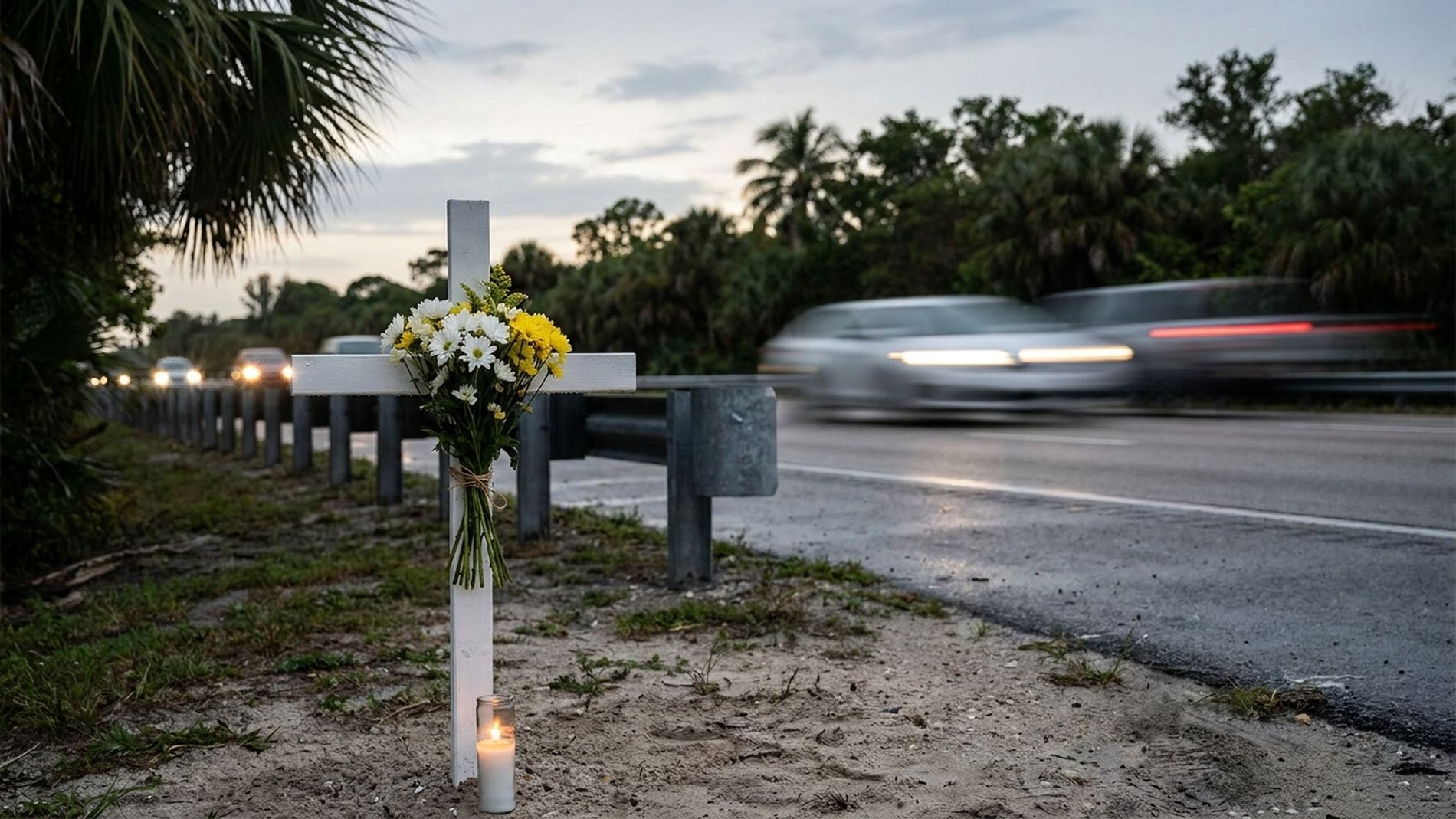 Wrongful deathClaims brought by the personal representative under the Florida Wrongful Death Act.Learn more →
 Product liabilityDefective vehicles, tools, appliances, children's products and medical devices.Learn more →
Common questions
Do I have a medical malpractice case?
The call is free, and Paul will tell you directly whether you have a case, even when the answer is no.
How long do I have to file?
Two years from the injury for most Florida negligence claims under Florida Statute 95.11. Claims against a government body require written notice first and have a different deadline.
What does it cost to hire a lawyer?
Nothing up front. The fee is a percentage of the recovery. We advance case costs, and you owe no attorney’s fees or reimbursement of those costs unless we recover compensation for you.
Will I deal with Paul or with staff?
With Paul. He handles every case personally.
Talk to Paul, not a case manager
Consultations are free and confidential. We advance case costs, and you owe no attorney’s fees or reimbursement of those costs unless we recover compensation for you. Paul handles every case personally.