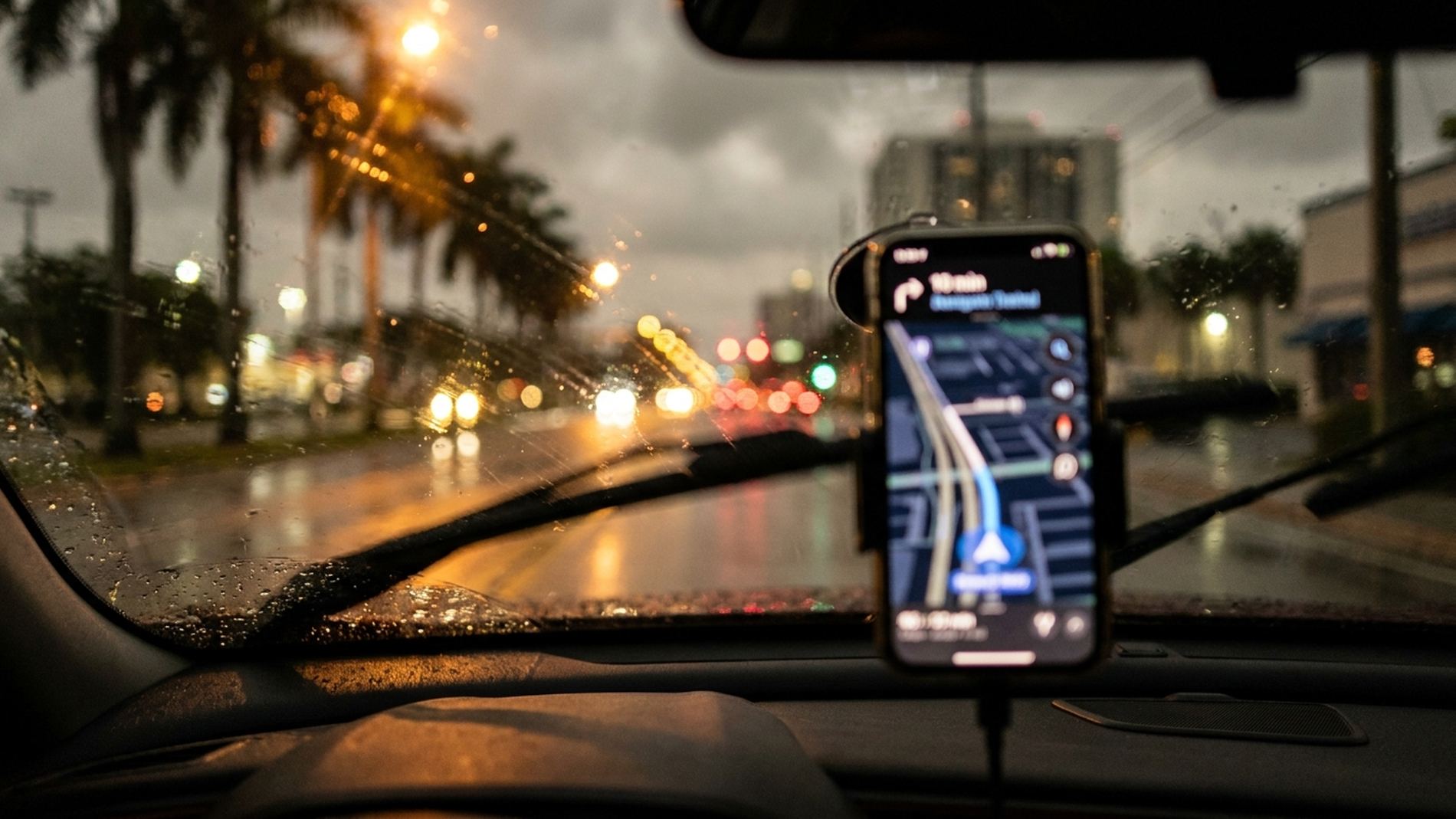
Uber and Lyft accident lawyer
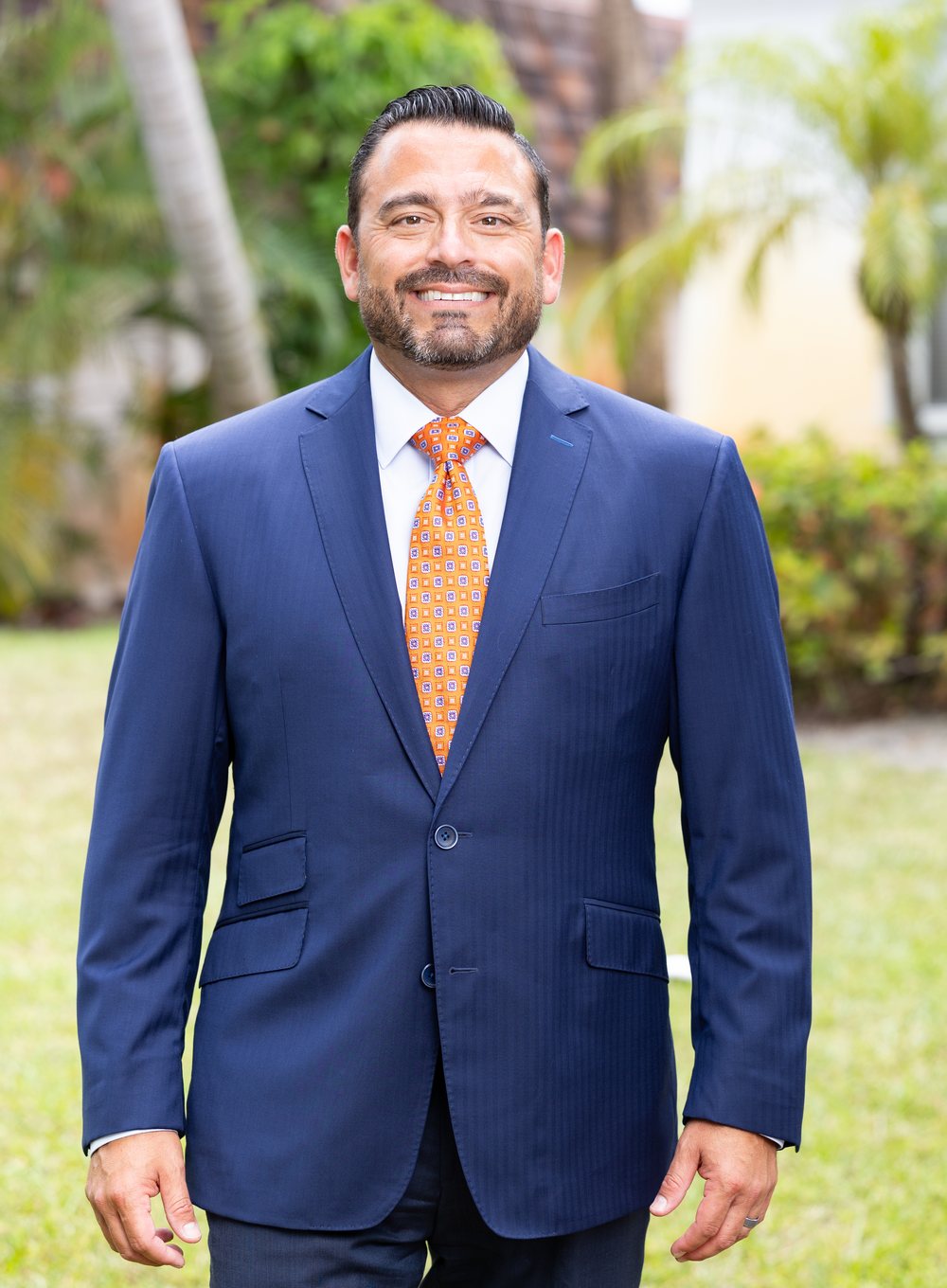
Shalhoub Law Injury & Accident represents people injured in Uber and Lyft crashes in West Palm Beach and throughout Palm Beach County. That includes how coverage changes with what the app was doing at the time, including claims by passengers. Attorney Paul R. Shalhoub spent years defending insurance companies before he began representing injured people, and he handles every case himself, from the first call through trial.
Coverage turns on whether the app was on and whether a ride had been accepted. The answer changes the available limits by a factor of ten.
The demand is built around what actually moves a file, because Paul spent the early part of his career on the other side of it.
Reach us
Monday to Friday, 8:30 a.m. to 5:30 p.m.
Calls answered 24 hours
Phone: (561) 208-5058
Email: info@shalhoubinjurylaw.com
What this claim involves
Who is responsible
Which policy applies depends on what the app was doing at the moment of the crash, not on who owned the car.
What it is worth
Medical bills, lost income, future care and the part that is not on a receipt. How value is calculated →
How long you have
Two years for most Florida negligence claims. Florida injury deadlines →
What does it cost to hire a lawyer?
Nothing up front. The fee is contingent on winning or settling the case.
What the app was doing decides the coverage
The same driver, the same car, the same intersection — and three entirely different amounts of insurance, set by statute.
Florida Statute 627.748 sets the coverage a transportation network company and its driver must carry, and it changes depending on what the driver was doing at the moment of the crash.
| App off | No TNC coverage at all. This is an ordinary crash against the driver’s personal policy, with Florida’s ordinary minimums |
| Logged on, waiting for a request | s. 627.748(7)(b)1.a requires primary liability of at least $50,000 per person for death and bodily injury, $100,000 per incident, and $25,000 for property damage |
| Engaged in a prearranged ride | s. 627.748(7)(c)1.a requires primary liability of at least $1 million for death, bodily injury and property damage. The ride period runs from accepting the request through to completing the drop-off |
The gap between the second row and the third is $900,000, and it turns on whether a request had been accepted. Which is why the first thing worth establishing in any rideshare claim is the app status at the moment of impact — a fact held by the company, in data that nobody but the company can produce.
Two provisions that stop the usual runaround
The statute anticipated the obvious delay tactic and wrote it out.
The familiar rideshare complaint is being passed back and forth: the TNC insurer says talk to the driver’s personal carrier, the personal carrier says it excludes rideshare use, and weeks go by with nobody accepting the claim. Two subsections address that directly.
Under s. 627.748(7)(e), the TNC policy “must not be dependent on a personal automobile insurer first denying a claim”. The TNC carrier does not get to wait for someone else’s denial letter before engaging.
And under s. 627.748(7)(d), where the driver’s own insurance has lapsed or does not provide the required coverage, the TNC’s insurance must cover the claim “beginning with the first dollar of a claim” and has the duty to defend it.
Knowing those two sentences exist changes the tone of the conversation. A claim that has been bounced for a month is usually a claim where nobody has pointed at the statute yet.
Do you need a lawyer after a rideshare crash?
An honest answer, including when it is no.
Where you probably do not. You were a passenger, the trip ended safely, and the only issue is a damaged phone or a missed appointment. That is not an injury claim.
Where you probably do. Anyone was hurt. The app status is unclear or disputed, because that single fact is worth $900,000 in available coverage. You were a passenger and nobody will say which driver was at fault — as a passenger you are almost never at fault, so the fight is between the two carriers while your bills accumulate. The rideshare driver was uninsured or underinsured personally. Or the claim has been passed between insurers more than once.
The consultation is free, so finding out which one you are in costs a phone call.
If you were the passenger
The most common rideshare injury, and the one with the clearest path.
A passenger in a rideshare is in an unusually strong position and an unusually frustrating one. Strong, because you were sitting in the back seat and no argument about your own conduct is available. Frustrating, because you are a bystander to a fight between two insurers about which driver caused it, and neither is in a hurry.
| Your own PIP still comes first | Florida PIP follows the person, so your own policy generally covers you as a passenger in someone else’s car — and the 14-day treatment rule applies to you exactly as it would in your own vehicle |
| The ride was prearranged | Which puts the $1 million layer in play under s. 627.748(7)(c)1.a, regardless of which driver was at fault |
| Screenshot the trip | The receipt, the driver’s name, the vehicle, the route and the timestamps. Trip records are retrievable later through the claim, but having your own copy on day one removes an argument |
| Report it in the app | It creates a record with a timestamp that does not depend on anyone else’s version of events |
If you did not have your own auto policy — which is common for people who use rideshare precisely because they do not own a car — the question of which coverage reaches your medical bills first is worth asking before treatment rather than after.
Related claims we handle
The practice is injury work only, so the neighboring claim types are handled in the same office by the same attorney. See every practice area
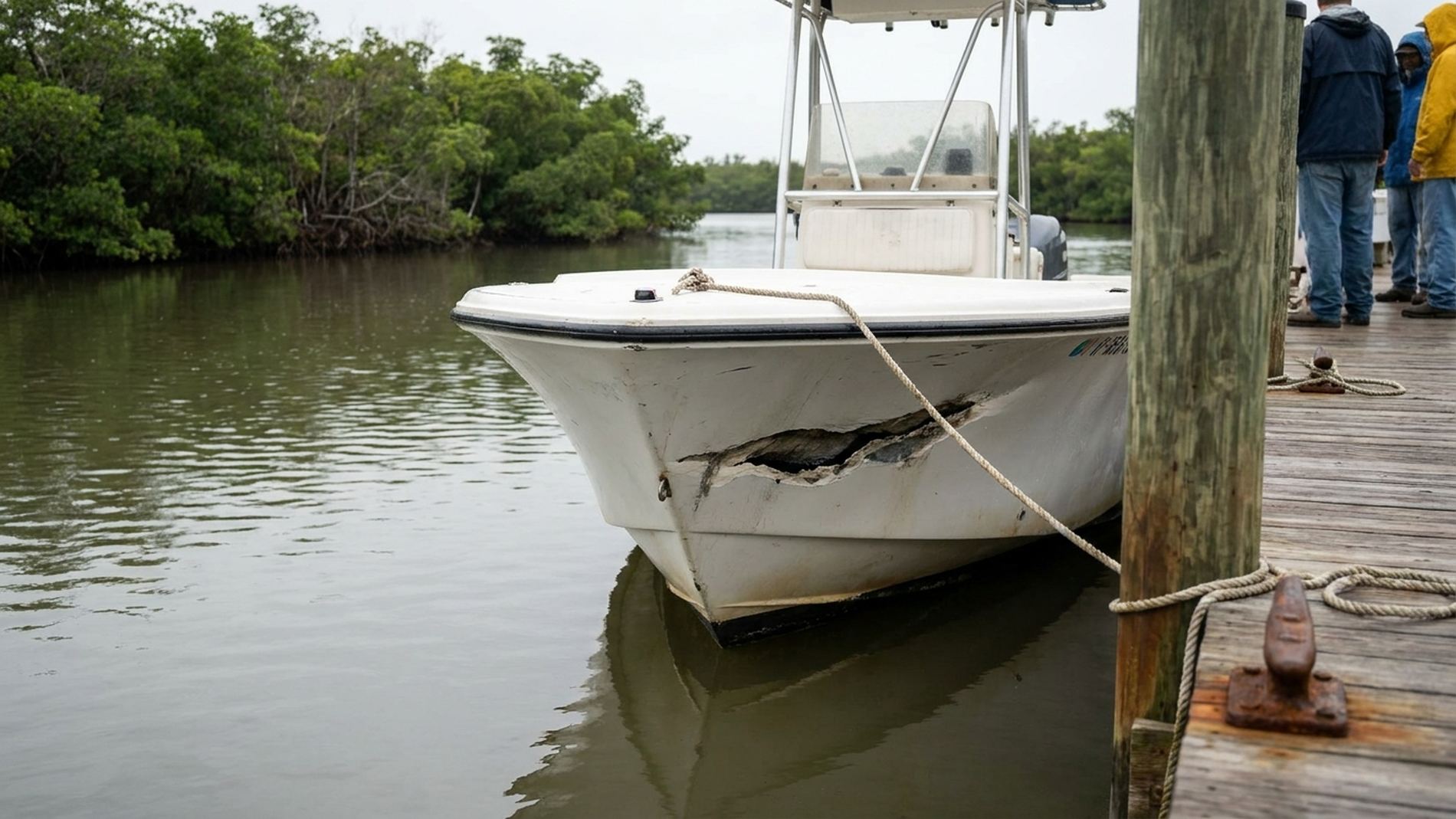 Boat accidentsCollisions, propeller injuries and passenger falls on the Intracoastal, where the report comes from FWC rather than a police department.Learn more →
 Slip and fallSurveillance video and the incident report decide these claims, and stores overwrite video on a schedule. The preservation letter is the first thing we send.Learn more →
 Premises liabilityA property owner who knew about a dangerous condition and left it that way is responsible for what happens next.Learn more →
Common questions
Do I have a rideshare accidents case?
The call is free and Paul gives a straight answer, including when the answer is no.
How long do I have to file?
Two years from the injury for most Florida negligence claims under Florida Statute 95.11. Claims against a government body require written notice first and run on a different clock.
What does it cost to hire a lawyer?
Nothing up front. The fee is a percentage of the recovery. We advance case costs, and you owe no attorney’s fees or reimbursement of those costs unless we recover compensation for you.
Will I deal with Paul or with staff?
With Paul. He handles every case personally.
Talk to Paul, not a case manager
Consultations are free and confidential. We advance case costs, and you owe no attorney’s fees or reimbursement of those costs unless we recover compensation for you. Paul handles every case personally.